






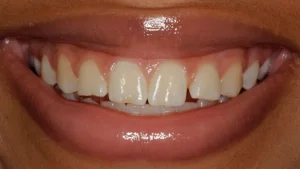
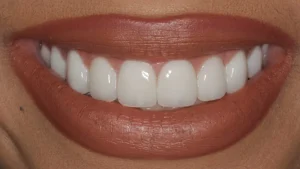
If you’ve been researching cosmetic dentistry or porcelain veneers, you’ve probably noticed something pretty quickly:
Almost every dentist online says they create beautiful smiles.
Every website says “top-rated.”
Every office shows white teeth.
Every social media page is filled with veneers and before-and-after photos.
So how do you actually know who has the experience, aesthetic eye, and attention to detail to create a smile that looks natural, fits your face, and still functions beautifully years later?
After completing thousands of smile makeovers over the past 25 years, one thing has become very clear:
Great cosmetic dentistry is about much more than making teeth look white.
The best smile makeovers are customized, carefully planned, and designed around the patient’s face, personality, bite, and long-term oral health — not just trends or social media aesthetics.
At Pearl Dental Group, Drs. Andre and Jessica Bruni focus heavily on facially driven smile design, natural aesthetics, and long-term function to help patients achieve smiles that look beautiful without looking fake or overdone.
The Biggest Misunderstanding About Cosmetic Dentistry
One of the biggest misconceptions patients have about cosmetic dentistry — especially veneers — is thinking the goal is simply to create whiter teeth.
In reality, color is often one of the least important parts of a great smile makeover.
What usually makes a smile look attractive and natural is:
- tooth proportions
- smile symmetry
- facial harmony
- gum display
- lip support
- smile width
- texture and translucency
- how the teeth fit the person’s face
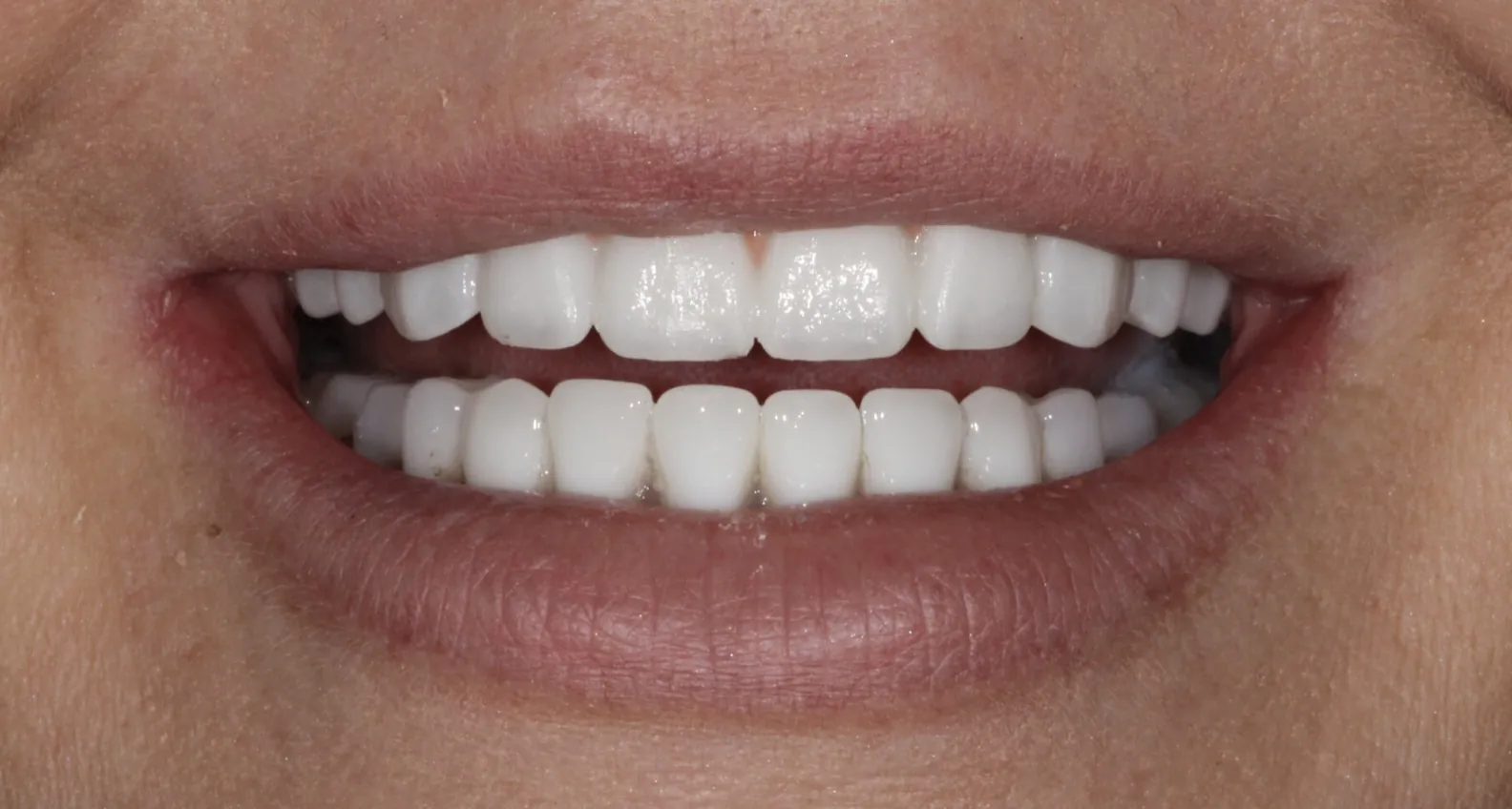
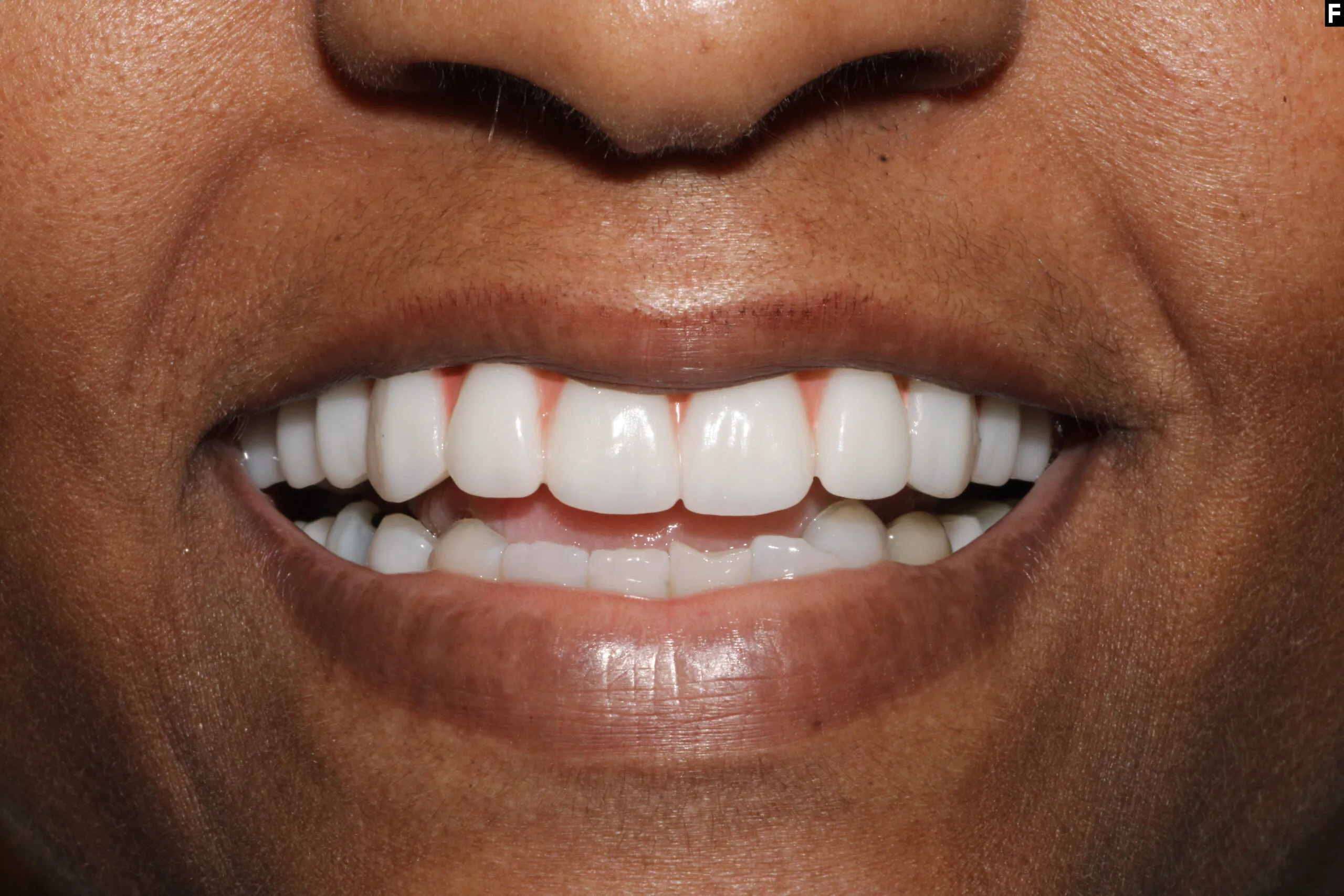
You can have extremely white veneers that still don’t look good if the teeth are too bulky, too square, too flat, or don’t match the patient’s facial features.
The best cosmetic dentistry often goes unnoticed. People may think someone looks healthier, younger, more confident, or more refreshed — but they can’t immediately pinpoint why.
That’s usually the sign of a really well-designed smile.
What Separates an Average Cosmetic Dentist From Someone Truly Experienced?
A lot of dentists can place veneers.
But designing a smile that looks natural, functions properly, ages well, and complements someone’s face is a completely different skill set.
What separates experienced cosmetic dentists is usually everything happening behind the scenes that most patients never see:
- treatment planning
- smile design
- bite evaluation
- facial analysis
- communication with ceramists
- mockups and temporaries
- material selection
- attention to microscopic details
An experienced cosmetic dentist evaluates things like:
- face shape
- lip movement
- smile line
- gum symmetry
- tooth display at rest
- speech patterns
- bite function
- wear patterns
- facial proportions
Not just:
“How do we make the teeth prettier?”
The reality is that tiny details matter tremendously in cosmetic dentistry. Small changes in tooth length, translucency, edge shape, texture, or symmetry can completely change whether a smile feels natural or artificial.
Why Facial Harmony Matters So Much
One of the biggest mistakes in cosmetic dentistry is designing teeth without considering the overall face.
A smile can technically look “perfect” on its own and still feel unnatural because it doesn’t match the patient’s facial features.
At Pearl Dental Group, smile makeovers are designed using a facially driven approach. That means evaluating:
- facial midline
- lip position
- smile cant
- gum display
- smile arc
- face shape
- skin tone
- personality
- overall facial balance
Some patients look better with softer, rounded teeth.
Others fit a stronger or more youthful shape.
There is no “one smile fits everyone” approach.
The goal is not to copy the same veneers onto every patient. The goal is to create a smile that feels like it naturally belongs to that person.
The Difference Between Natural-Looking Veneers and Fake-Looking Veneers
A lot of patients worry about veneers looking fake — and honestly, that concern is understandable.
Social media has created a trend toward extremely white, overly uniform, bulky-looking smiles that often don’t look natural in real life.
In most cases, natural-looking cosmetic dentistry comes from restraint and customization — not perfection.
Real teeth have:
- subtle texture
- slight translucency
- softness
- character
- small imperfections
When veneers become too opaque, too flat, too bright, or identical in shape, that’s usually when they start looking artificial.
Ironically, the brightest shade is not always the most attractive. Most patients actually look better with a natural bright white that still has warmth and depth rather than an ultra-bleached appearance.
At Pearl Dental Group, digital smile design and Exocad software are used to digitally align the smile to the patient’s face before treatment even begins. This allows the smile to be evaluated dynamically — not just as static teeth on a model.
Because a smile is dynamic.
It changes when someone laughs, talks, smiles naturally, or shows emotion. Great cosmetic dentistry has to work in motion, not just in photographs.
Why Before-and-After Photos Matter
Before-and-after photos are one of the most important things patients should study when researching a cosmetic dentist.
But most people don’t really know what to look for.
Instead of only focusing on:
“Do the teeth look whiter?”
Patients should evaluate:
- whether the results look natural
- whether smiles fit the patient’s face
- whether the work looks customized
- whether the cases look consistent
- whether difficult cases are shown
- whether the office displays full-face smile photos
- whether the gums and facial harmony look natural
One of the biggest red flags is when every smile looks identical.
Beautiful cosmetic dentistry should reflect the patient’s individuality — not a copy-and-paste veneer template.
Another thing patients should pay attention to is the complexity of cases being shown. Experienced cosmetic dentists are often comfortable showing cases involving:
- worn teeth
- old crowns
- bite collapse
- uneven gums
- missing teeth
- severe discoloration
- asymmetry
- grinding damage
Those cases often say much more about skill level than simple whitening cases.
Red Flags Patients Should Watch For
When researching cosmetic dentistry online, patients should be cautious of offices that focus only on:
- perfect white teeth
- massive discounts
- aggressive sales tactics
- “today only” pricing
- pushing veneers on every patient
That’s usually not how high-level cosmetic dentistry works.
Good cosmetic dentists spend significant time:
- evaluating the patient
- understanding goals
- discussing limitations
- reviewing alternatives
- planning function
- designing the smile properly
Another major red flag is when there’s little discussion about:
- bite function
- long-term health
- gum health
- conservative preparation
- smile design
- temporaries/mockups
- maintenance
- facial aesthetics
If the entire conversation is simply:
“We can make your teeth white in two visits,”
that’s probably oversimplifying cosmetic dentistry.
The best cosmetic dentistry usually looks effortless.
If an office’s work consistently looks overdone online, there’s a good chance it will look overdone in person too.
How Technology Has Changed Smile Makeovers
Cosmetic dentistry has changed dramatically over the last 10–15 years.
Years ago, smile planning relied heavily on:
- stone models
- wax-ups
- static photography
- manual techniques
There was far more guesswork involved.
Today, digital technology allows cosmetic dentists to plan smile makeovers with much greater precision and predictability.
At Pearl Dental Group, digital smile design workflows use:
- intraoral scanning
- high-resolution photography
- Exocad software
- digital mockups
- facially driven treatment planning
This allows the smile to be designed around the patient’s face before treatment even begins.
Modern digital workflows also improve communication between:
- the dentist
- the ceramist
- the patient
Patients can preview changes, test-drive temporaries, and visualize the planned outcome before final restorations are completed.
Technology hasn’t replaced artistry.
It has simply made it possible to execute cosmetic dentistry more accurately and predictably than ever before.
Cosmetic Dentistry Should Also Be Comfortable
A lot of patients interested in cosmetic dentistry are surprisingly anxious about the process.
For some people, it’s fear of dental treatment.
For others, it’s embarrassment, bad past experiences, gag reflexes, or anxiety about longer appointments.
That’s why patient comfort matters so much.
At Pearl Dental Group, both IV sedation and oral sedation are available to help patients feel relaxed and comfortable throughout treatment.
For many patients, sedation removes the stress and anticipation that prevented them from moving forward with treatment for years.
And honestly, comfort goes beyond just sedation.
The overall experience matters too:
- clear communication
- gentle techniques
- comfort amenities
- taking time with patients
- helping people feel in control
- not making patients feel rushed
When patients are relaxed and comfortable, the entire experience tends to go more smoothly.
Choosing the Right Cosmetic Dentist
If a patient asked:
“How do I know I’m choosing the right cosmetic dentist?”
the answer would probably be:
Slow down and look beyond marketing.
Study the work carefully.
Ask questions.
Evaluate whether the results feel natural.
Pay attention to how the office talks about cosmetic dentistry.
Look for customization rather than cookie-cutter smiles.
And trust your instincts during the consultation.
Do you feel heard?
Does the dentist explain things clearly?
Does the process feel thoughtful and personalized?
Or does it feel rushed and sales-driven?
At the end of the day, great cosmetic dentistry is not just about changing teeth.
It’s about creating a smile that feels like it was always meant to belong to that person.
Patients exploring personalized smile makeovers, porcelain veneers, and advanced cosmetic dentistry can learn more about the smile design process and natural-looking cosmetic treatment options available at Pearl Dental Group.