






Dental Implant Healing & Recovery: What to Expect
Dental implant surgery is only one part of the implant process. The healing period that follows allows the gums, bone, and implant site to recover and creates the foundation for the final restoration.
If you’re considering dental implants in Metairie, LA, understanding what happens during recovery can make the process easier to prepare for. Healing varies depending on whether you’re receiving a single implant, multiple implants, bone grafting, extractions, or full-mouth dental implants.
At Pearl Dental Group in Metairie, each patient’s recovery instructions are customized to the procedure performed and their individual needs.
What Happens Immediately After Dental Implant Surgery?
After dental implant placement, some swelling, tenderness, bruising, and minor bleeding can be expected. The American Association of Oral and Maxillofacial Surgeons notes that some discomfort, swelling, and bruising following implant surgery are normal parts of recovery. (MyOMS)
Your dental team will provide specific postoperative instructions based on your procedure. These may include recommendations regarding medications, oral hygiene, diet, activity, and care of the surgical site.
AAOMS – Healing Process for Dental Implants
Patients considering implant treatment at Pearl can learn more about dental implants in Metairie and the different tooth-replacement options available.
How Long Does Dental Implant Recovery Take?
There are really two different types of healing after implant surgery.
The first is the initial recovery of the gum tissue and surgical site. The second is the much longer biological process occurring beneath the gums as the implant becomes integrated with the surrounding jawbone.
This process is called osseointegration.
According to Cleveland Clinic, osseointegration is the process in which the jawbone fuses to the dental implant and is important for implant stability. The complete process can take several months and varies from patient to patient. (Cleveland Clinic)
Cleveland Clinic – Dental Implants and Osseointegration
This means you may feel relatively normal well before the implant has completed the biological healing process.
What Is Osseointegration?
Dental implants are designed to become stable within the jawbone rather than simply resting on top of the gums.
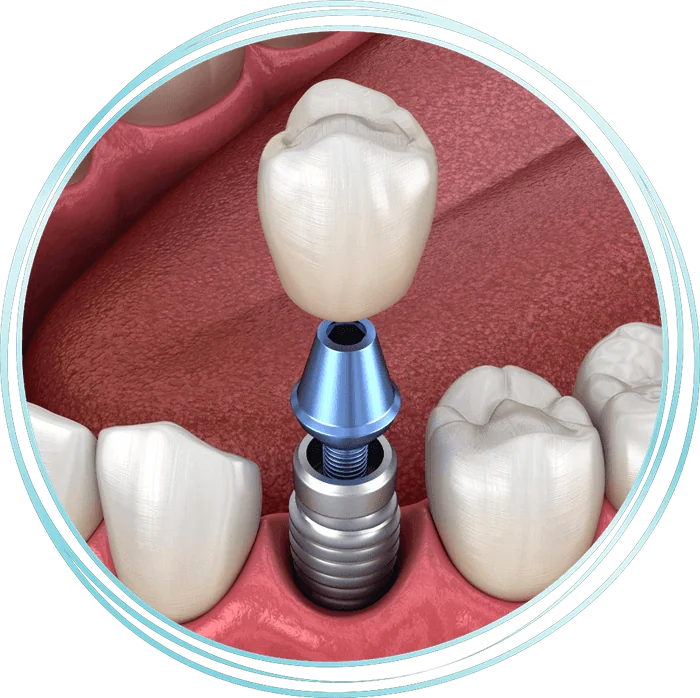
Following placement, bone gradually heals around the implant surface. This process, known as osseointegration, creates the foundation that allows the implant to support a crown, bridge, or larger implant restoration.
The American Association of Oral and Maxillofacial Surgeons describes osseointegration as the fusion of the implant with surrounding bone. (MyOMS)
The time required depends on factors including the location of the implant, bone quality, surgical procedure, overall health, and individual healing response.
What Can I Eat After Dental Implant Surgery?
Your diet following implant surgery depends heavily on the type of procedure you’ve had.
Someone receiving a single implant may have very different dietary restrictions from a patient who has undergone multiple extractions and full-arch implant surgery.
Generally, foods that place excessive pressure on a fresh surgical site should be avoided during early healing. Your dentist will provide specific instructions regarding when and how to progress your diet.
For full-arch patients, following dietary instructions is especially important because implants may be supporting temporary fixed teeth while the implants are still integrating with the bone.
Patients considering replacement of an entire arch can learn more about full mouth dental implants in Metairie.
How Much Swelling Is Normal After Dental Implants?
Some postoperative swelling is expected following oral surgery. The amount varies considerably depending on the extent of treatment.
A single uncomplicated implant may produce relatively little swelling, while multiple extractions, bone grafting, and placement of several implants can result in more noticeable swelling and bruising.
The important distinction is between expected postoperative symptoms and symptoms that are becoming unexpectedly severe or worsening.
Contact your dental provider if you experience significant or increasing swelling, uncontrolled bleeding, severe or worsening pain, fever, drainage, or another symptom that concerns you.
Will Dental Implant Surgery Hurt?
During implant placement, local anesthesia is used to numb the treatment area. Sedation may also be available depending on the procedure and the patient’s needs.
After the anesthesia wears off, tenderness and soreness around the surgical site are normal. The amount of discomfort varies depending on the extent of surgery and the individual patient.
At Pearl Dental Group in Metairie, oral surgery and dental implant procedures can be performed with different sedation and restorative options depending on the treatment. (Pearl Dental Group)
Pearl Dental Group – Oral Surgery in Metairie
When Can I Return to Work?
There isn’t one recovery schedule that applies to every implant patient.
Your ability to return to work depends on the number of implants placed, whether teeth were extracted, whether bone grafting was performed, the type of sedation used, and the physical demands of your job.
Patients undergoing a straightforward single-implant procedure may have a different recovery than someone undergoing full-mouth extraction and full-arch implant placement.
AAOMS notes that patients may be advised to minimize strenuous exercise and physical activity following implant surgery while the surgical area begins healing. (MyOMS)
Your dentist should give you individualized recommendations based on your procedure.
How Do I Keep Dental Implants Clean While They Heal?
Good oral hygiene remains important during healing, but a fresh surgical site needs to be treated differently from your normal teeth.
Follow the postoperative instructions provided by your implant team rather than aggressively brushing or flossing around a new surgical site.
As healing progresses, your dental team will provide instructions for cleaning around the implant and restoration.
Long-term maintenance is particularly important because implants can develop inflammatory conditions in the surrounding gum and bone tissues, just as natural teeth can develop periodontal problems.
This will be important enough that I would make “How to Clean and Maintain Dental Implants” its own article later in the Metairie content cluster rather than trying to cover everything here.
What If I Need a Bone Graft?
Some implant patients require bone grafting to improve the amount or shape of bone available for implant placement.
Depending on the situation, grafting may be performed before implant placement or at the same time as implant surgery.
Bone grafting can change the healing timeline because the grafted area also needs time to mature. Pearl Dental Group’s Metairie oral surgery information notes that grafted areas may require several months for the grafting material and jawbone to integrate. (Pearl Dental Group)
This is another reason implant recovery timelines should be individualized rather than promising every patient the same healing period.
What About Same-Day Dental Implants?
“Same-day teeth” does not mean the biological healing process is completed in one day.
For appropriate patients, implants can sometimes be placed and attached to a temporary restoration on the day of surgery. The implants still need time afterward to integrate with the jawbone.
This distinction is particularly important for patients considering All-on-4 or full-arch treatment.
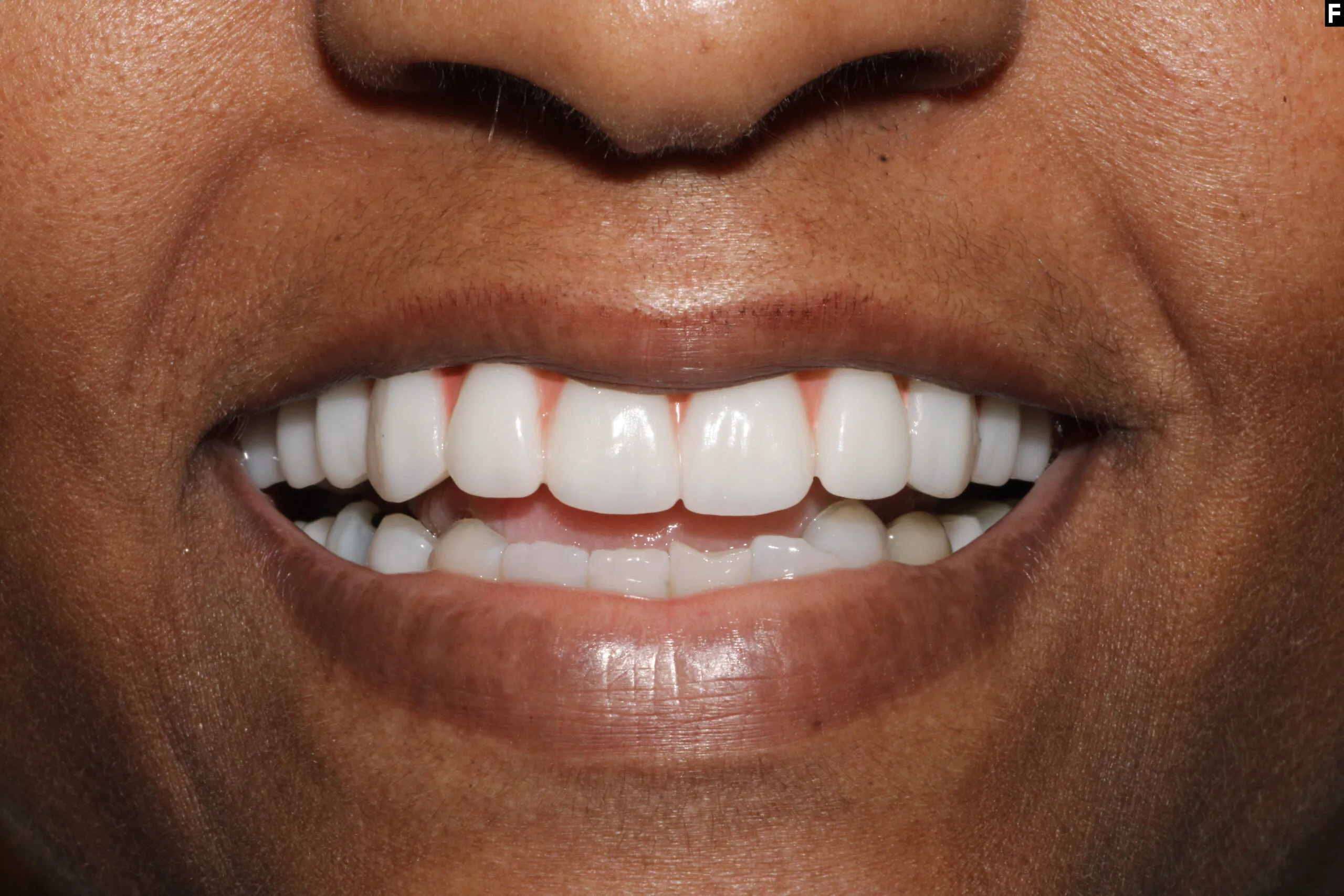
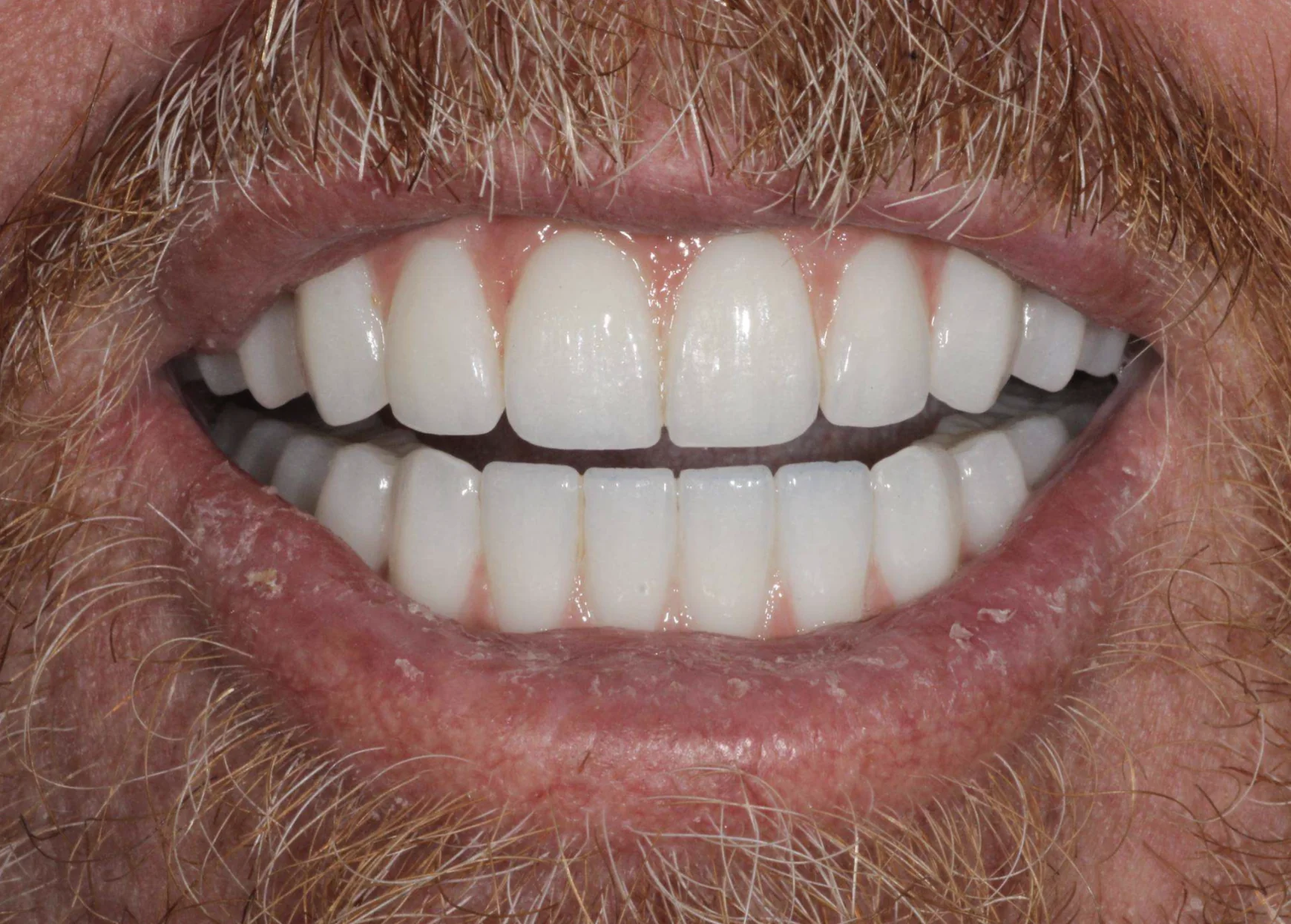
At Pearl Dental Group, qualifying full-mouth implant patients may receive a fixed provisional smile on the day of surgery, followed by a healing period before the definitive zirconia restoration is fabricated. (Pearl Dental Group)
Patients considering this type of treatment can read more about All-on-4 dental implants in Metairie.
When Do I Receive My Final Implant Tooth?
The timing depends on the type of implant restoration.
For a traditional single implant, the implant may be allowed to integrate before the final crown is attached. Cleveland Clinic explains that once healing has occurred, an abutment and final restoration such as a crown, bridge, or denture can be attached. (Cleveland Clinic)
Full-arch treatment follows a different restorative sequence. At Pearl Dental Group, full-mouth implant patients typically wear a provisional restoration while the implants and tissues heal before the final zirconia restoration is completed. (Pearl Dental Group)
What Can Affect Dental Implant Healing?
Implant healing is influenced by more than the surgery itself.
Factors such as your overall health, bone quality, oral hygiene, smoking, medications, extent of surgery, and how closely postoperative instructions are followed can influence recovery.
This is why implant treatment should begin with a comprehensive evaluation rather than assuming every patient will follow exactly the same timeline.
If you’re unsure whether implants are appropriate for you, read our related guide: Am I a Candidate for Dental Implants in Metairie, LA? Once that article is live, link this sentence directly to it.
Dental Implant Recovery Is a Process
One of the most important things to understand about dental implant recovery is that feeling better and being completely healed are not the same thing.
The initial surgical symptoms generally improve well before osseointegration is complete. Beneath the gums, the implant and surrounding bone continue through a biological healing process that can take several months. (MyOMS)
Following postoperative instructions, attending follow-up appointments, maintaining good oral hygiene, and protecting the implants while they integrate are all important parts of the recovery process.
For patients in Metairie considering tooth replacement, Pearl Dental Group provides treatment ranging from single dental implants to full-arch implant reconstruction using 3D imaging, digital treatment planning, and comprehensive restorative care. (Pearl Dental Group)