







If you’re missing teeth or struggling with failing teeth or dentures, you may be wondering whether you’re a good candidate for dental implants.
The answer isn’t always as simple as having enough bone or being a certain age.
Many patients who were previously told they weren’t candidates for implants may still have treatment options today. Advances in 3D imaging, bone grafting, implant design, and full-arch treatment have expanded what is possible. At the same time, there are situations where implant treatment should be delayed, modified, or may not be the best choice.
At Pearl Dental Group in Baton Rouge, determining whether someone is a candidate starts with evaluating the entire patient—not simply looking at the space where a tooth is missing.
What Makes Someone a Good Candidate for Dental Implants?
In general, a good candidate for dental implants in Baton Rouge should be healthy enough to undergo the planned dental procedure and have an oral environment capable of supporting implant healing and long-term maintenance.
Factors we evaluate include:
- Overall health
- Dental and medical history
- Jawbone volume and quality
- Gum and periodontal health
- Location of missing teeth
- Condition of remaining teeth
- Bite and chewing forces
- Smoking and nicotine use
- Medications
- Oral hygiene
- Ability to maintain the implant restoration
No single factor necessarily determines candidacy. The complete clinical picture matters.
Do You Need Enough Bone for Dental Implants?
Dental implants depend on the jawbone for support, so the amount and quality of available bone are important.
When a tooth is lost, the surrounding bone can gradually change over time. Periodontal disease, infection, trauma, and previous extractions can also affect the amount of bone available for implant placement.
However, being told that you have bone loss doesn’t automatically mean you can’t have dental implants.
Depending on the situation, options may include:
- Bone grafting
- Ridge augmentation
- Sinus augmentation
- Alternative implant positions
- Different implant sizes or designs
- Full-arch treatment strategies
The appropriate solution depends on the patient’s anatomy and treatment goals.
How Do We Evaluate Your Bone?
Traditional dental X-rays provide useful information, but implant planning often requires a three-dimensional view of the jaws.
At Pearl Dental Group, we use 3D CBCT imaging when evaluating implant cases.
A CBCT scan allows us to assess available bone and surrounding anatomy in three dimensions. This information can be especially valuable when planning implant position and evaluating more complex cases.
Digital planning also allows the surgical and restorative aspects of treatment to be considered together.
The question isn’t simply, “Where can we put an implant?”
We also need to consider where the final tooth needs to be for proper function, appearance, and cleansability.
Am I Too Old for Dental Implants?
There isn’t a universal upper age limit for dental implants.
Someone in their 70s or 80s isn’t automatically excluded from implant treatment because of age.
For older patients, factors such as overall health, medications, bone condition, ability to heal, oral hygiene, and treatment goals are generally more meaningful than chronological age alone.
Dental implants can be particularly valuable for some older adults who struggle with loose dentures and want greater stability when eating and speaking.
However, treatment should always be based on the individual patient’s health and circumstances.
Can I Get Dental Implants If I Have Gum Disease?
Active periodontal disease needs to be evaluated and appropriately managed when planning implant treatment.
Periodontal disease can damage the bone and tissues supporting natural teeth. Similar inflammatory disease can also develop around dental implants.
Placing implants without addressing active oral disease can compromise the long-term treatment environment.
For patients with a history of periodontal disease, implants may still be possible, but ongoing professional maintenance and excellent home care become particularly important.
Can Smokers Get Dental Implants?
Smoking and nicotine use are important considerations in implant dentistry.
Smoking has been associated with impaired wound healing and increased risks involving dental implant treatment.
That doesn’t necessarily mean every smoker is automatically excluded from receiving implants, but smoking history should be discussed openly with your implant dentist.
Your dentist may recommend stopping or reducing tobacco and nicotine use before and after treatment.
Patients should understand that smoking can affect both healing and long-term implant health.
What About Vaping?
Vaping shouldn’t automatically be considered harmless simply because it isn’t a traditional cigarette.
Nicotine can affect blood vessels and healing, and the potential effects of vaping should be discussed with your dentist as part of your medical and social history.
If you vape or use nicotine products, tell your implant provider during your consultation.
Can I Get Dental Implants If I Have Diabetes?
Having diabetes doesn’t automatically mean that you cannot receive dental implants.
However, the degree of diabetic control and the patient’s overall health are important considerations.
Your implant dentist may want additional information about your medical history and may coordinate with your physician when appropriate.
Patients with poorly controlled systemic conditions may need to delay elective implant surgery until their health is better managed.
What Medical Conditions Can Affect Dental Implant Treatment?
A medical condition doesn’t automatically rule out dental implants, but certain conditions can influence treatment planning, healing, or surgical risk.
Your dentist needs an accurate medical history that includes:
- Current medical conditions
- Previous surgeries
- Prescription medications
- Over-the-counter medications
- Supplements
- Allergies
- History of cancer treatment
- Bone-related conditions
- Bleeding disorders
- Immune-related conditions
Never stop or modify a prescribed medication simply because you’re planning dental implant treatment unless the appropriate healthcare professional instructs you to do so.
Can Osteoporosis Affect Dental Implants?
Osteoporosis does not automatically prevent someone from receiving dental implants.
However, bone health and medications used to treat certain bone conditions can be important considerations.
Some medications that affect bone metabolism require additional evaluation before invasive dental procedures.
This is why it’s important to provide your dentist with a complete medication history, including medications that may have been taken previously.
Your implant dentist can determine whether additional medical consultation is appropriate.
What If I’ve Had Cancer Treatment?
Previous cancer treatment doesn’t automatically mean dental implants aren’t possible.
However, the type of cancer, treatment received, location of radiation therapy, chemotherapy history, medications, timing, and current health can significantly influence dental treatment decisions.
Patients who have received radiation involving the jaws require particularly careful evaluation.
These situations should be assessed individually and may require communication with the patient’s medical team.
What If I’ve Been Told I Don’t Have Enough Bone?
This is one of the most important reasons to consider getting another implant evaluation.
A patient who isn’t a candidate for a straightforward implant may still have other options.
For someone missing most or all of their teeth, full-mouth dental implants may use a different treatment strategy than simply placing individual implants where teeth previously existed.
Full-arch treatment allows implants to be planned around the patient’s available anatomy and the needs of the final restoration.
Some advanced cases may require additional surgical techniques.
Being told “you don’t have enough bone” doesn’t always mean “you can never have dental implants.”
It may mean the case requires a different approach.
Can I Get Implants If All of My Teeth Are Bad?
Possibly.
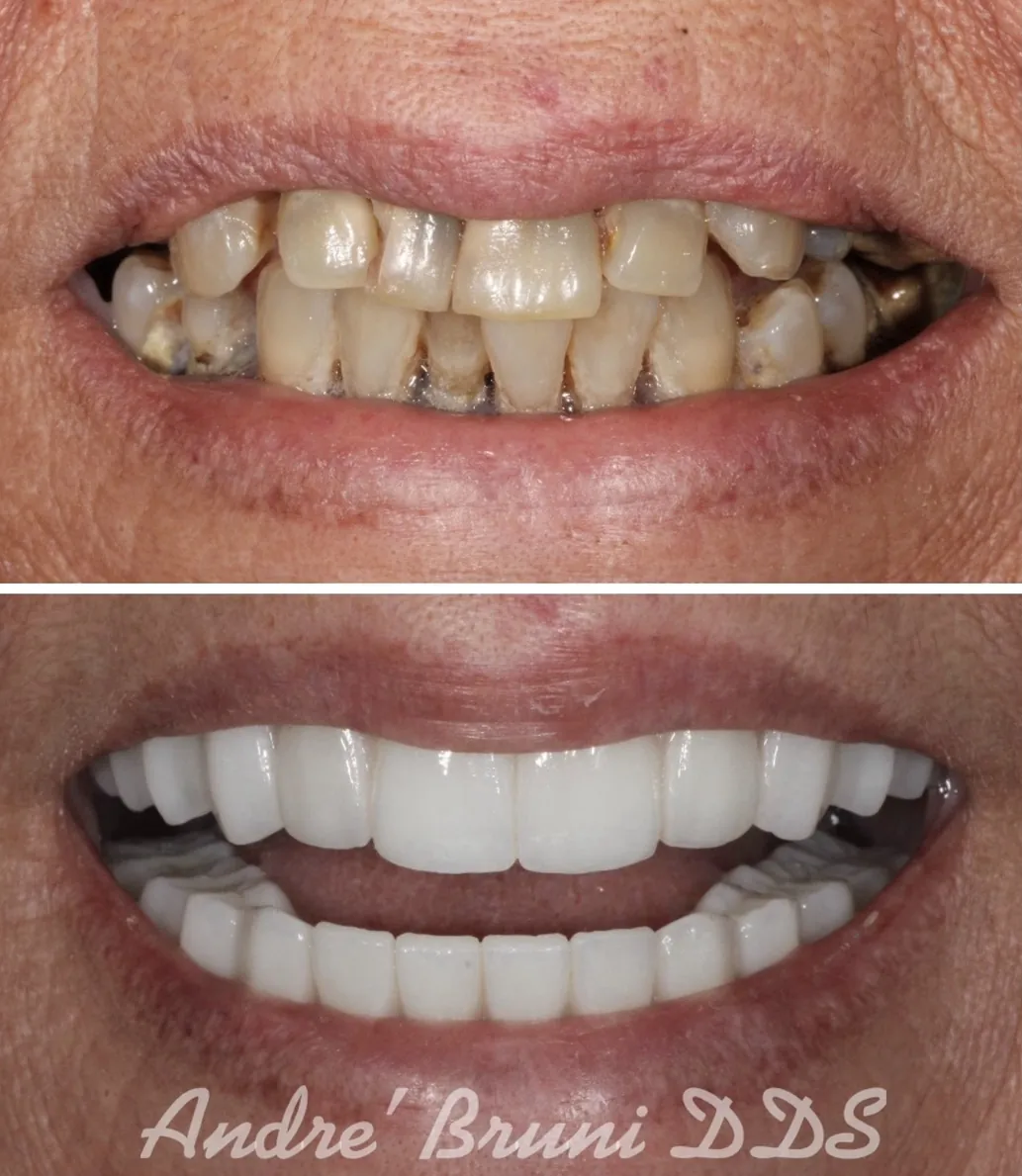
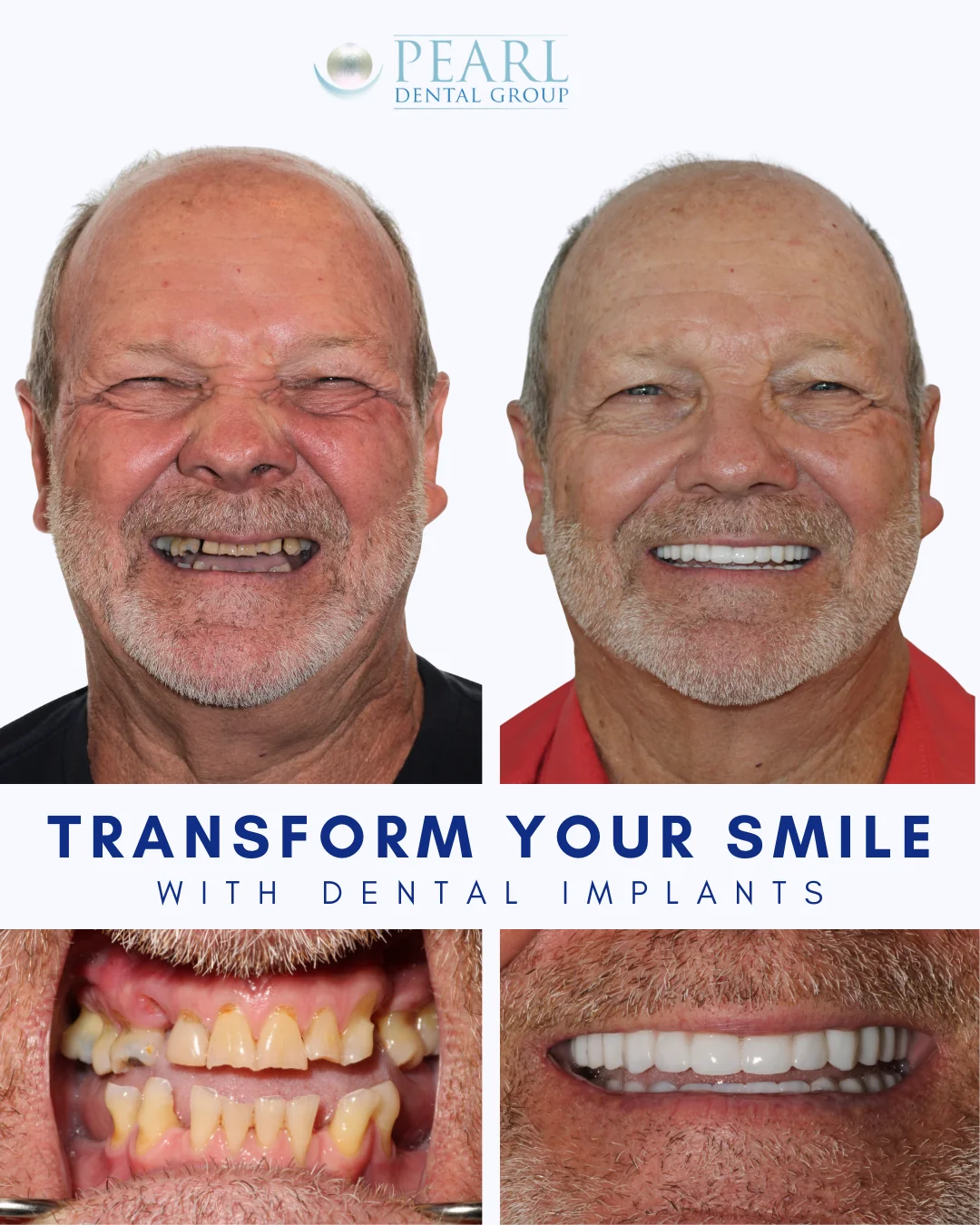
Some patients come to us with extensive decay, advanced periodontal disease, failing dental work, multiple missing teeth, or dentures that no longer function well.
The first question should be whether the remaining teeth can be predictably restored.
Whenever appropriate, preserving healthy natural teeth is valuable.
But when the majority of the teeth have a poor long-term prognosis, repeatedly repairing individual teeth may not always be the most predictable treatment strategy.
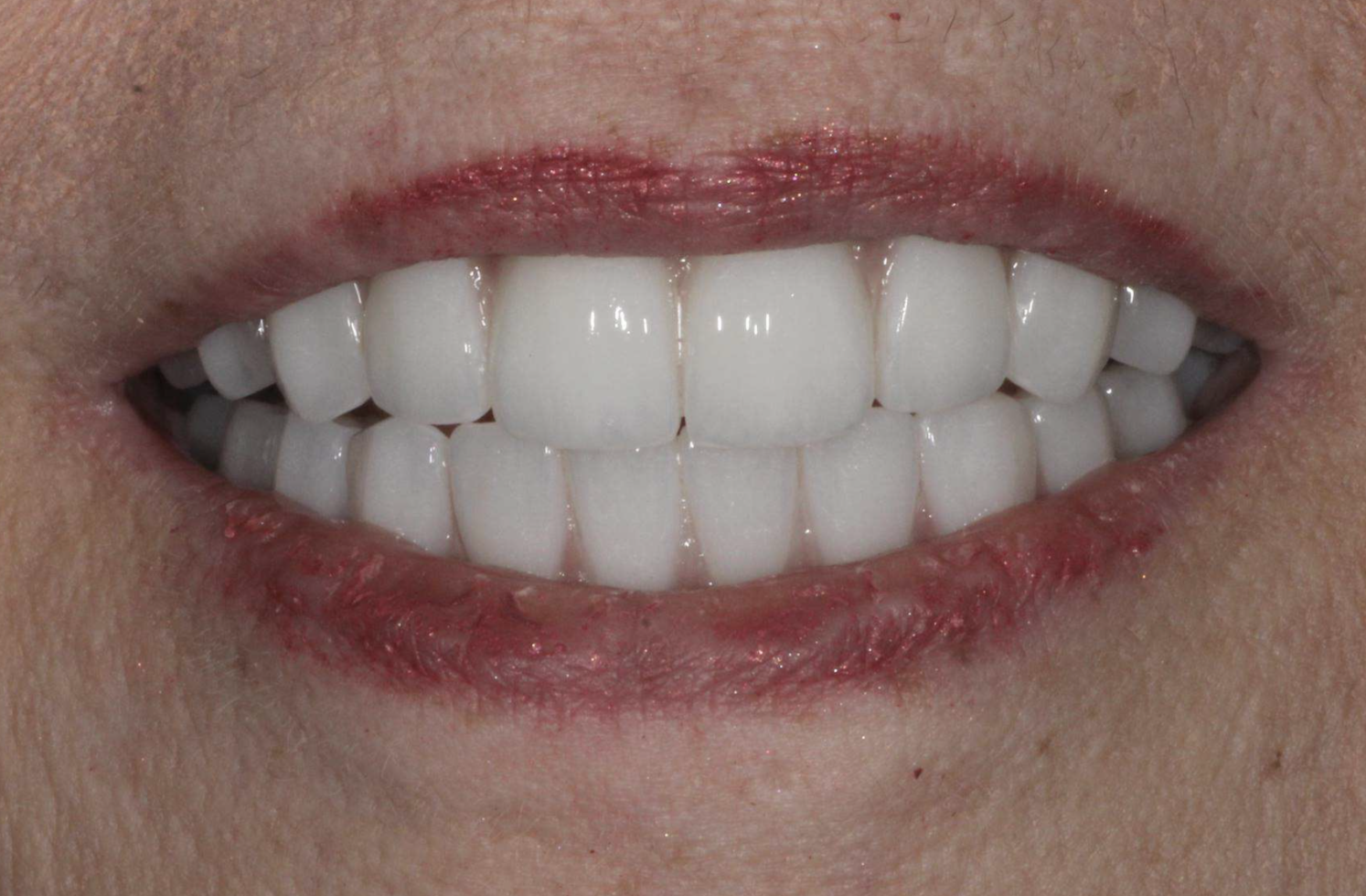
For appropriate patients, full-arch or All-on-4 dental implants may provide another option.
A comprehensive evaluation is necessary before deciding whether teeth should be maintained, restored, or replaced.
Can Denture Patients Get Dental Implants?
Often, yes.
In fact, patients who struggle with removable dentures frequently seek implant treatment because they want improved stability.
Options may range from an implant-supported removable denture to a fixed full-arch restoration that the patient does not remove at home.
These treatments are very different in cost, maintenance, function, and design.
The right solution depends on the patient’s anatomy, expectations, health, and budget.
Who May Not Be a Candidate for Dental Implants Right Now?
Sometimes the answer isn’t “no.”
It’s “not yet.”
Implant treatment may need to be postponed when there are conditions that should be addressed first.
Examples may include:
- Active uncontrolled dental infection
- Untreated periodontal disease
- Poorly controlled medical conditions
- Inadequate oral hygiene
- Certain medication-related concerns
- Inability to safely undergo the planned procedure
- Insufficient bone requiring additional treatment
- Situations where postoperative instructions cannot reasonably be followed
Once the underlying issue is addressed, implant treatment may become possible.
Are There People Who Truly Shouldn’t Get Dental Implants?
Yes. Dental implants aren’t appropriate for every person or every situation.
There are patients for whom the surgical risk, medical circumstances, inability to maintain the restoration, anatomy, or other factors may make an alternative treatment more appropriate.
There are also situations where keeping a natural tooth is preferable to removing it and placing an implant.
Dental implants are an excellent tool, but they aren’t automatically the answer to every dental problem.
A responsible implant evaluation should include a discussion of alternatives, not simply whether an implant can technically be placed.
What If You’re Afraid of Implant Surgery?
Fear of surgery doesn’t necessarily prevent you from being an implant candidate.
Many patients have avoided dental treatment for years because of anxiety.
Depending on the patient’s medical history and planned procedure, sedation dentistry may be an option.
The goal is to develop an approach that allows treatment to be performed safely while making the experience as comfortable as reasonably possible.
Why Implant Candidacy Requires More Than an X-Ray
An implant shouldn’t be planned in isolation.
We need to consider the final result before treatment begins.
That includes questions such as:
- Where should the final tooth be positioned?
- How will the patient bite?
- How will the restoration be cleaned?
- Is there adequate space?
- What condition are the neighboring teeth in?
- Is the gum tissue healthy?
- What are the patient’s long-term expectations?
- Is an implant actually better than the alternatives?
This is especially important with complex full-mouth treatment.
The goal isn’t simply to place implants.
The goal is to create a treatment plan that provides appropriate function, appearance, hygiene access, and long-term maintainability.
How Pearl Dental Group Evaluates Implant Candidates
At Pearl Dental Group in Baton Rouge, implant evaluation begins with understanding what the patient wants to accomplish.
We then evaluate the teeth, gums, bite, bone, medical history, medications, and available treatment options.
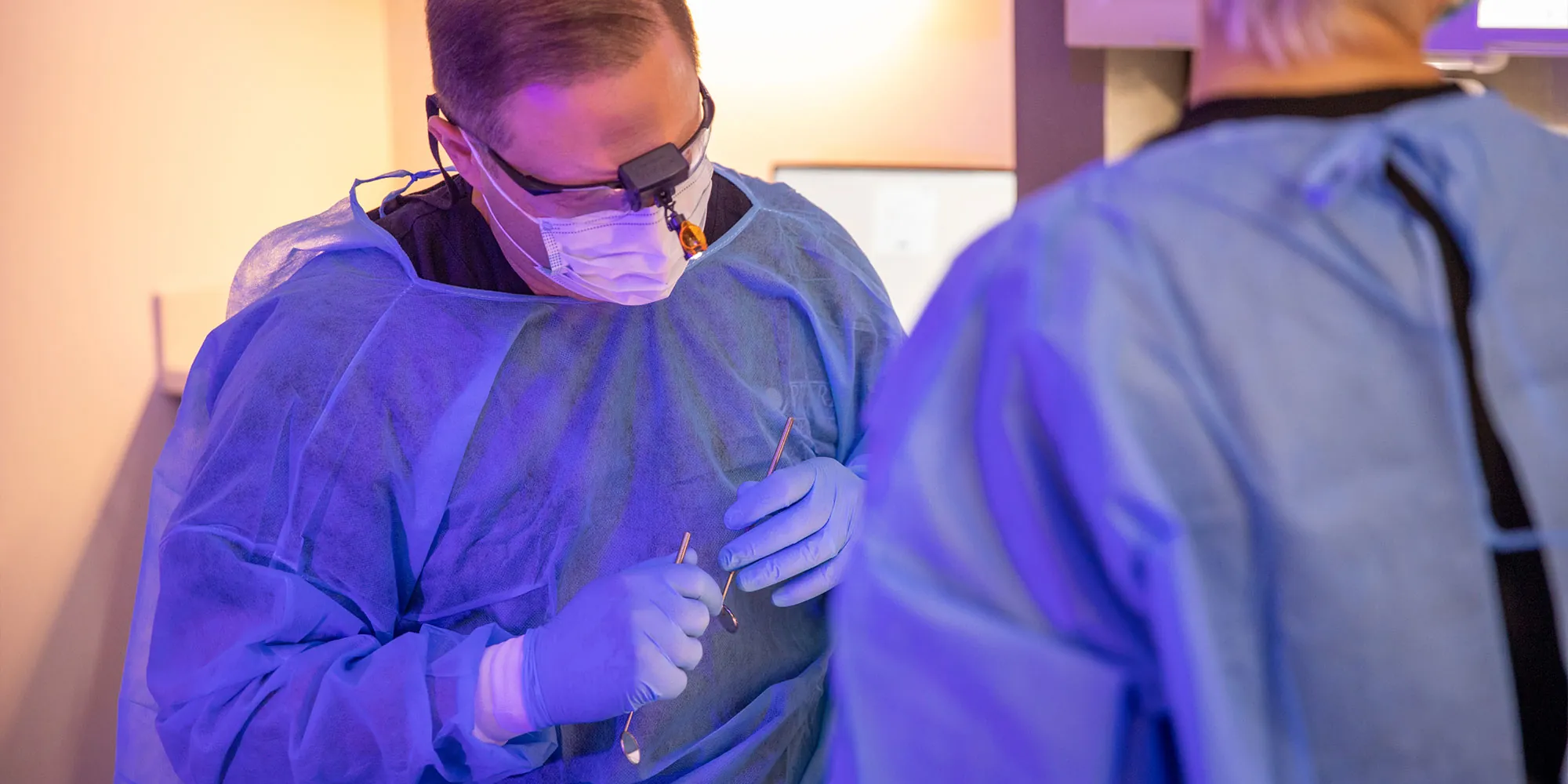
For implant cases, 3D CBCT imaging and digital treatment planning can help us better understand the patient’s anatomy and develop an individualized treatment plan.
Depending on the situation, options may include:
- Single dental implants
- Implant-supported bridges
- Implant-supported dentures
- Multiple implants
- Full-mouth dental implants
- All-on-4 or All-on-X treatment
- Bone grafting when appropriate
Some patients have relatively straightforward cases. Others require more advanced planning.
That’s why determining implant candidacy should begin with a comprehensive evaluation rather than an online checklist.
Think You’ve Been Told You Can’t Have Dental Implants?
If you’ve previously been told you’re not a candidate for implants because of bone loss, age, failing teeth, dentures, or the complexity of your case, it may be worthwhile to have your situation evaluated again.
That doesn’t mean implants will necessarily be the right solution.
But modern implant treatment provides options that weren’t available to many patients in the past.
At Pearl Dental Group, we evaluate dental implant patients throughout Baton Rouge and the surrounding communities, from straightforward single-tooth replacement to complex full-mouth cases.
Schedule a dental implant consultation with Pearl Dental Group to find out whether you’re a candidate and which treatment options may be appropriate for you.
This article provides general educational information and is not a substitute for individualized dental or medical advice. Dental implant candidacy, surgical risk, healing, and treatment recommendations vary by patient.