





Let’s be honest: one of the first questions that comes to mind with dental implants is the cost. It’s a significant investment, and it’s smart to understand what you’re paying for. But thinking about implants only in terms of price misses the bigger picture. This is an investment in your long-term health, your ability to eat comfortably, and your confidence to smile freely for decades to come. In this guide, we’ll break down the costs, explore insurance and financing, and compare the value of implants to other options. We want you to see why finding the “best dental implants near me” is less about finding the cheapest price and more about securing the best long-term value for your well-being and quality of life.
Key Takeaways
- Think of implants as a permanent health investment: Beyond just filling a gap, dental implants are designed to last a lifetime by fusing with your jawbone, which helps prevent bone loss and provides unmatched stability.
- Choosing the right dentist is your most important decision: Vet potential providers by confirming they have specialized training, use advanced technology like 3D imaging for precise placement, and are committed to creating a truly custom treatment plan for you.
- Use your consultation to get total clarity: This is your opportunity to ask direct questions about the dentist’s experience, the procedure timeline, the all-inclusive cost, and financing options so you can move forward with confidence.
What Are Dental Implants?
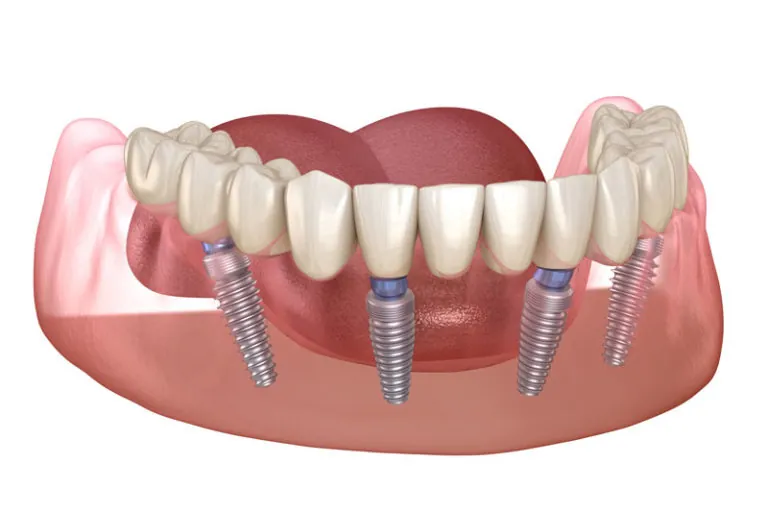
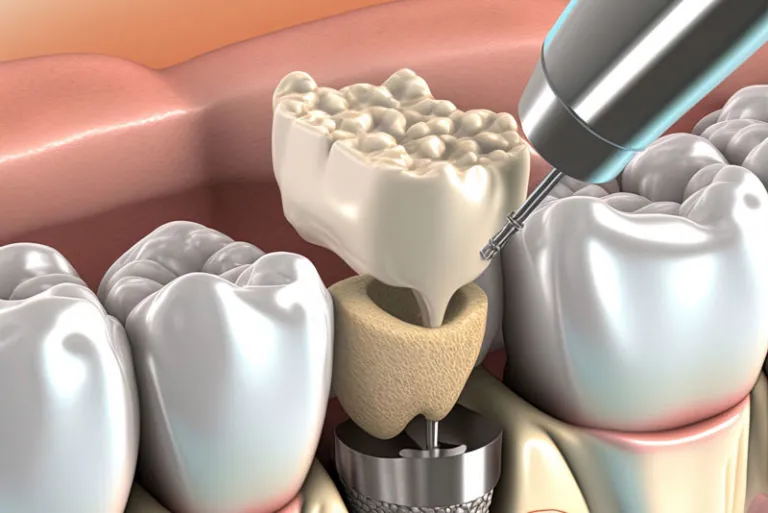
If you’re dealing with a missing tooth, you’ve probably heard about dental implants. Think of them as a modern, permanent solution for replacing teeth. A dental implant is essentially a small, titanium post that acts as a replacement for the root of a tooth. This post is surgically placed into your jawbone, where it fuses with the bone to create a strong foundation. A realistic-looking crown is then attached to the post, giving you a replacement tooth that looks, feels, and functions just like a natural one. They are a durable and reliable option that has truly changed the game in restorative dentistry.
Explore the Types of Dental Implants
When you start looking into implants, you’ll find there are a couple of primary types. The main difference between them is how they attach to your jaw. The most common are endosteal implants, which are placed directly into the jawbone. This type requires you to have a healthy, adequate amount of bone for the post to fuse with.
If you have significant bone loss or a shallow jawbone, your dentist might suggest subperiosteal implants. Instead of going into the bone, these implants rest on top of the jawbone but under the gum tissue. A metal frame is placed on the bone, and the posts for the artificial teeth protrude through the gums. Your dentist will determine the best type of implant for your specific situation during your consultation.
The Step-by-Step Implant Process
Getting a dental implant is a multi-step process that ensures a secure and lasting result. It starts with a thorough evaluation and, if necessary, the removal of a damaged tooth. Sometimes, a bone graft is needed to prepare the jawbone, creating a solid base for the implant. Next, the titanium implant is placed into the jawbone. Then comes a healing period of several months, during which the implant fuses with the bone—a process called osseointegration. Once healed, an abutment is placed on the implant, which connects it to your new custom-made crown. The final step is attaching the artificial tooth, leaving you with a complete, functional smile.
Why Choose Implants Over Other Options?
While options like bridges and dentures exist, dental implants offer some unique advantages. Because they fuse with your jawbone, they provide incredible stability—no slipping or clicking like you might experience with dentures. This also means they help preserve your jawbone and prevent the bone loss that naturally occurs when a tooth is missing. Implants function just like your natural teeth, allowing you to eat your favorite foods with confidence. You also care for them the same way you would your other teeth. They can stand alone without impacting adjacent teeth, or they can be used to anchor dentures for a more secure fit.
Debunking Common Implant Myths
Let’s clear up a few common misconceptions about dental implants. First is the idea that they require a lot of special care. The truth is, you maintain them just like your natural teeth with regular brushing, flossing, and dental check-ups. There are no special adhesives or cleaning tablets required. Another myth is that implants are prohibitively expensive. While the initial investment can be higher than other options, their longevity often makes them the most cost-effective solution over time. Many dental offices, including ours, offer financing options to make the procedure more accessible. Don’t let these common myths keep you from exploring a life-changing solution.
How to Choose the Right Implant Dentist
Choosing the right dentist for your implants is one of the most important decisions you’ll make in this process. This isn’t just about finding someone who can place a post and a crown; it’s about partnering with a professional who has the right mix of skill, experience, and technology to ensure your new smile is healthy, functional, and beautiful for years to come. A great implant dentist will make you feel comfortable, answer all your questions, and create a plan tailored specifically to you.
Think of it like choosing a contractor for a major home renovation. You wouldn’t hire just anyone. You’d want to see their past work, check their credentials, and make sure they have the right tools for the job. The same principle applies here. The right provider will not only have the technical expertise but also a deep understanding of facial aesthetics and oral health. They will consider how your new teeth will affect your bite, your speech, and your overall facial structure. Taking the time to find a qualified and trustworthy dentist is an investment in your long-term health and confidence. This guide will walk you through exactly what to look for, what to ask, and what to avoid.
Check for Key Qualifications and Credentials
When you start your search, you’ll find that both general dentists and specialists can place implants. However, specialists like oral surgeons and periodontists have years of additional training focused specifically on surgery and the structures that support your teeth. This specialized training gives them a distinct advantage in handling both straightforward and complex cases. Look for a provider who is board-certified and a member of professional organizations like the American Academy of Implant Dentistry (AAID) or the American Association of Oral and Maxillofacial Surgeons (AAOMS). These credentials show a commitment to ongoing education and the highest standards of care in oral surgery.
Look for Advanced Technology and Techniques
The best outcomes start with the best tools. A top-tier implant practice will use advanced technology like 3D cone-beam computed tomography (CBCT) scans to create a detailed map of your mouth. This imaging allows for incredibly precise implant placement, avoiding nerves and sinuses for a safer procedure. Also, ask about the materials they use. Different brands design the components for dental implants, and a quality provider will use well-researched, durable materials from reputable manufacturers. This commitment to technology and quality materials is a clear sign that the practice is dedicated to achieving excellent, long-lasting results for its patients.
Review Their Custom Treatment Plan
Your smile is unique, and your treatment plan should be too. A one-size-fits-all approach is a major red flag. A great dentist will conduct a thorough evaluation and present you with a custom treatment plan that addresses your specific needs and goals. They should clearly explain why they are recommending a certain type of implant, what the process will look like, and what you can expect for a timeline. This plan should feel like a collaborative effort. Whether you need a single implant or a full smile makeover, you should feel confident that your provider understands your vision and has a clear strategy to get you there.
Ask These Questions at Your Consultation
Your consultation is your opportunity to interview your potential dentist. Don’t be shy about asking direct questions to gauge their experience and approach. A confident, skilled provider will be happy to answer them.
Here are a few key questions to get you started:
- How many implant procedures have you performed?
- What is your success rate with dental implants?
- Can I see before-and-after photos of patients with cases similar to mine?
- What type of anesthesia or sedation options do you offer?
- Who will be performing each step of the procedure?
Their answers should give you a clear sense of their expertise and help you feel more comfortable moving forward.
Spot the Red Flags
Just as important as knowing what to look for is knowing what to avoid. Be wary of any provider who pressures you into making a quick decision or offers a price that seems drastically lower than others. Extremely low costs can sometimes indicate subpar materials or an inexperienced practitioner. Another red flag is a dentist who downplays the procedure or the recovery process. While dental implants have a very high success rate, it’s still a surgical procedure that requires proper care. A trustworthy provider will be transparent about the entire process, including potential risks and the importance of post-operative care. A practice that offers comprehensive general dentistry is often a good sign, as it shows they are equipped to handle your overall oral health, not just the implant surgery.
Breaking Down the Cost of Dental Implants
Let’s talk about one of the biggest questions on everyone’s mind: the cost. Thinking about the price of dental implants is a practical and important step in your decision-making process. While it’s true that implants are an investment, understanding what goes into the price can help you see the incredible value they offer for your health, confidence, and daily life. It’s not just about filling a space; it’s about restoring your smile and function for years to come.
The final cost can vary based on your specific needs, but it’s rarely a one-size-fits-all number. Several factors come into play, from the number of implants you need to any preparatory procedures required to ensure a successful outcome. We’ll walk through the key components of the cost, how insurance might help, and the flexible payment solutions available to make your new smile a reality.
What’s Included in the Price?
When you receive a quote for a dental implant, it’s helpful to know what you’re paying for. Typically, the cost for a single implant can range from $3,000 to $5,000. This price generally covers the three essential components: the titanium implant post that acts as the root, the abutment that connects the post to the new tooth, and the custom-made crown that looks and feels like a natural tooth. The final price depends on factors like the materials used and the complexity of your procedure. For example, if you need a bone graft to prepare your jaw, that would be an additional cost. We believe in full transparency, so we’ll always provide a detailed breakdown during your consultation.
Does Insurance Cover Implants?
This is a common and important question. While some dental insurance plans offer coverage for implants, it’s often not as straightforward as it is for routine cleanings. Many plans have waiting periods before they will cover major procedures, and most have an annual maximum that may only cover a portion of the total cost. It’s a great idea to review your specific dental insurance for implants to understand your benefits. Our team is experienced in working with insurance providers and can help you make sense of your coverage and maximize your benefits to reduce your out-of-pocket expenses.
Explore Your Financing and Payment Options
We don’t want finances to be a barrier to getting the care you deserve. To make your treatment more accessible, many dental practices offer flexible payment and financing solutions. We can help you connect with reputable third-party financing companies that allow you to break down the total cost into manageable monthly payments. These financing plans often come with low or no interest, making it easier to fit your new smile into your budget without delay. During your consultation, we can discuss these options with you and help you find a plan that works for your financial situation.
Consider the Long-Term Value
When you look at the cost, it’s also important to consider the long-term value of your investment. Unlike other tooth replacement options that may need to be repaired or replaced every 5 to 15 years, dental implants are designed to last a lifetime with proper care. They function just like natural teeth, which means you can eat, speak, and smile with confidence. Furthermore, they can serve as strong anchor teeth for dentures, providing stability that removable options can’t match. Investing in your oral health with implants can save you time and money on future dental work, making it a truly worthwhile decision.
Why Patients Choose Pearl Dental Group for Dental Implants
Use the checklist above to compare any practice you are considering. Here is how Pearl Dental Group measures up on the points that matter most.
Experience With Simple and Complex Cases
Our implant team has placed thousands of implants and completed more than 700 full-arch cases, from single-tooth implants to full mouth dental implants. Dr. Andre’ Bruni also has advanced training in zygomatic and pterygoid implants, which can be options for patients who have been told they do not have enough bone for conventional implants.
Planning and Lab Work Under One Roof
Every case is planned with 3D CBCT imaging, and our in-house dental lab designs and makes your crowns and full-arch zirconia teeth. Keeping the surgery, design and final teeth with one team means fewer handoffs and a closer match between the plan and the result.
Comfort Options
We offer nitrous oxide, oral sedation and IV sedation, so anxious patients can choose the level of relaxation that suits them.
Clear, Upfront Pricing
Single dental implants start at $3,600, including the implant, custom abutment and crown. Full-arch zirconia implant teeth start at $19,500 per arch, all-inclusive. You get a written estimate at your free consultation, and financing is available. Learn more about dental implants at Pearl or call (225) 277-3311 to book.
What to Expect: Your Dental Implant Timeline
The idea of getting a dental implant can feel like a huge undertaking, but the process is more straightforward than you might think. It’s a journey with a few key steps, and knowing what’s ahead can make all the difference. Think of it as a project plan for restoring your smile, where each phase is carefully managed by your dental team to ensure you get the best results. From the first conversation to the final result, the goal is to create a strong, lasting, and natural-looking tooth that blends in seamlessly with the rest of your smile. The entire timeline is designed with your health and comfort in mind, breaking down a significant change into manageable stages. This isn’t a one-and-done appointment; it’s a carefully paced process that allows your body to heal properly, which is the secret to a successful, lifelong implant. Understanding this timeline helps demystify the procedure and puts you in the driver’s seat of your own oral health journey. It replaces uncertainty with a clear, predictable path forward. We’ll walk through the typical timeline together, from your initial chat with the dentist to the day you walk out with a fully restored smile, so you can feel confident and prepared for every step of your transformation.
Step 1: The Initial Evaluation
Your journey begins with an initial evaluation. This first visit is all about you. We’ll have a conversation about your goals, review your health history, and perform a comprehensive dental exam, which includes X-rays or 3D imaging. This gives us a clear picture of your jawbone density and overall oral health. From there, we can confirm if you’re a good candidate for dental implants and create a treatment plan tailored specifically to you. This is the perfect time to ask any questions you have—we want you to feel completely comfortable and informed before moving forward.
Step 2: Prepare for Your Procedure
Once your custom plan is in place, we’ll schedule your implant procedure. During this appointment, a small, biocompatible titanium post is placed into your jawbone where the missing tooth used to be. This might sound intense, but it’s a minor oral surgery performed with precision and care. Our team will ensure you’re comfortable and relaxed the entire time. This tiny post acts as a new root for your future tooth, creating a stable foundation that’s essential for the strength and longevity of your new smile. We’ll make sure you know exactly what to expect on the day of the procedure.
Step 3: The Healing and Recovery Phase
After your implant is placed, your body begins the most important part of the process: healing. The initial recovery at the surgery site usually takes a few weeks. Over the next several months, a process called osseointegration occurs, where your jawbone naturally fuses with the titanium post. This creates an incredibly strong and durable bond, essentially making the implant a permanent part of your jaw. This healing phase is critical for the long-term success of your implant, so it’s important to be patient and let your body do its work. This is the foundation upon which your new tooth will be built.
Step 4: Follow Post-Surgery Care
Caring for your mouth after the procedure is key to a smooth recovery and the long-term health of your implant. We’ll provide you with specific, easy-to-follow instructions to help the area heal properly. This typically involves simple steps like keeping the area clean and sticking to softer foods for a short period. Once you’re fully healed, you’ll care for your implant just like your natural teeth. Consistent brushing, flossing, and attending your regular general dentistry check-ups are the best ways to protect your investment and keep your entire smile healthy for years to come.
Maintain Your Implants for Life
One of the best things about dental implants is that they don’t require a complicated maintenance routine. A common myth is that they need special care, but the reality is much simpler. You’ll care for your implant the same way you care for your natural teeth: brush twice a day, floss daily, and see your dentist for regular cleanings and check-ups. With consistent oral hygiene, your implant can last a lifetime. It’s a durable, hassle-free solution that allows you to eat, speak, and smile with complete confidence, making it a fantastic part of any smile makeover.
Get Ready for Your Consultation
Walking into your first dental implant consultation can feel like a big step, but a little preparation goes a long way in making the experience smooth and productive. Knowing what to bring, what to ask, and what to expect helps you partner with your dentist to create the best plan for your smile. Think of this as your personal game plan for a successful visit.
Confirm You’re a Good Candidate
Before you get too far into planning, it’s helpful to know if you’re a good candidate for implants. The most common type, endosteal implants, are placed directly into the jawbone. This means the ideal candidate has a healthy and fully developed jawbone to support the implant. Don’t worry if you’re unsure—this is one of the first things your dentist will assess. During your evaluation, they’ll use X-rays and a physical exam to check your bone density and overall oral health. This initial check ensures that dental implants are a safe and effective option for you.
Use This Provider Checklist
Choosing the right dentist is just as important as the procedure itself. As you prepare for your consultation, keep a mental checklist of what to look for in a provider. Do they clearly explain the costs and what’s included? A trustworthy clinic will be transparent about pricing and offer financial guidance to make your new smile affordable. You should feel supported, not pressured. Look for a team that listens to your goals and customizes a smile makeover plan that fits your specific needs, ensuring you feel confident and cared for every step of the way.
Know What to Expect at Your First Visit
Your first visit is all about gathering information. The appointment typically starts with a comprehensive check-up, where your dentist will review your medical history and examine your teeth and gums. You’ll likely get a set of X-rays or even a 3D scan so the team can get a detailed look at your jawbone structure. Afterward, you’ll sit down with the dentist to discuss their findings, your goals, and the proposed treatment plan. This is your time to ask questions and understand the entire process, from implant placement to the final crown. This initial general dentistry check-up is the foundation for your entire implant journey.
Gather Your Important Documents
To make your consultation as efficient as possible, it’s a great idea to gather a few key documents beforehand. Be sure to bring a valid photo ID, your dental insurance card, and a list of any medications you’re currently taking. If you have recent dental records or X-rays from a previous dentist, bring those along, too. Having this information on hand helps the office staff streamline your paperwork and allows the dental team to get a complete picture of your health. This preparation is especially helpful for planning the financial aspects of your treatment, so you can focus on the exciting part: designing your new smile.
Plan Your Next Steps
After your initial exam, you and your dentist will discuss the next steps. This conversation will cover the specifics of your treatment plan, including the type of implants that will work best for you. Depending on your needs, you might discuss options ranging from a single tooth replacement to a full-mouth reconstruction. This is the perfect opportunity to learn about the different oral surgery techniques the practice uses and what the timeline for your procedure will look like. By the time you leave, you should have a clear understanding of the path ahead, feeling informed and ready to move forward with your decision.
Related Articles
- Same Day Dental Implants & Financing in Metairie, LA | Pearl Dental Group
- Same Day Dental Implants & Financing in New Orleans, LA | Pearl Dental Group
- Dental Implants for Diabetics: What You Need to Know | Pearl Dental Group
Frequently Asked Questions
Is getting a dental implant painful? This is one of the most common questions I hear, and it’s completely understandable to be concerned about comfort. The procedure itself is not painful because the area will be fully numbed with local anesthesia. You might feel some pressure, but you shouldn’t feel any pain. Afterward, it’s normal to experience some discomfort and swelling, but most people say it’s very manageable and similar to what you might feel after a tooth extraction. We’ll make sure you have a clear plan for managing any soreness before you even leave the office.
Will my dental implant look and feel like a real tooth? Absolutely. The goal of a dental implant is to restore your smile so seamlessly that no one, including you, can tell the difference. The final crown is custom-designed to match the exact color, shape, and size of your surrounding teeth. Because the implant is anchored securely in your jawbone, it also functions just like a natural tooth. You’ll be able to chew, speak, and smile with complete confidence, without the slipping or clicking you might get from other replacement options.
How successful are dental implants? Dental implants have an incredibly high success rate, typically above 95%. They are considered one of the most reliable and long-lasting solutions in modern dentistry. The key to this success is the process of osseointegration, where the implant fuses directly with your jawbone. Failures are rare but can be caused by factors like smoking, uncontrolled diabetes, or poor oral hygiene following the procedure. Following your dentist’s care instructions is the best way to ensure your implant lasts for a lifetime.
Can I still get implants if I have other health issues? In many cases, yes. Having a health condition like diabetes or heart disease doesn’t automatically rule you out as a candidate for dental implants. The most important thing is that your condition is well-managed and stable. During your consultation, it’s essential to share your full medical history with your dentist. This allows them to create a safe and effective treatment plan tailored to your specific health needs, ensuring the best possible outcome for your new smile.
How long does the process take if I need more than one implant? The timeline for multiple implants is very similar to that of a single implant, especially the healing phase. The critical period of osseointegration, where the implant fuses with the bone, generally takes a few months regardless of how many implants are placed. The main difference might be in the initial surgery time and the complexity of creating your final restorations. Your dentist will give you a personalized and detailed timeline during your consultation so you know exactly what to expect.