







What to Expect During Dental Implant Surgery in Baton Rouge
If you’re considering dental implants in Baton Rouge, it’s normal to have questions about the actual procedure. Will it hurt? How long will surgery take? Will I be awake? What happens when the implant is placed?
Understanding what happens before, during, and immediately after dental implant surgery can make the experience much less intimidating.
At Pearl Dental Group, we believe patients should understand their treatment before surgery begins. While every implant case is different, here’s what you can generally expect when having dental implant surgery.
What Happens Before Dental Implant Surgery?
Dental implant treatment starts with planning—not surgery.
Before placing an implant, your dentist needs to evaluate your teeth, gums, bite, jawbone, medical history, and the area where the implant will be placed.
At Pearl Dental Group, we use 3D CBCT imaging and digital treatment planning when evaluating dental implant cases. Three-dimensional imaging allows us to examine the available bone and important surrounding anatomy in greater detail than conventional two-dimensional X-rays alone.
Depending on your situation, your treatment plan may involve:
- A single dental implant
- Several dental implants
- Implant-supported dentures
- Full-mouth dental implants
- Tooth extractions
- Bone grafting
- Temporary teeth
Your dentist will explain which procedures are appropriate for your particular situation.
What Happens on the Day of Implant Surgery?
Your surgical appointment will depend on the treatment being performed and whether sedation is being used.
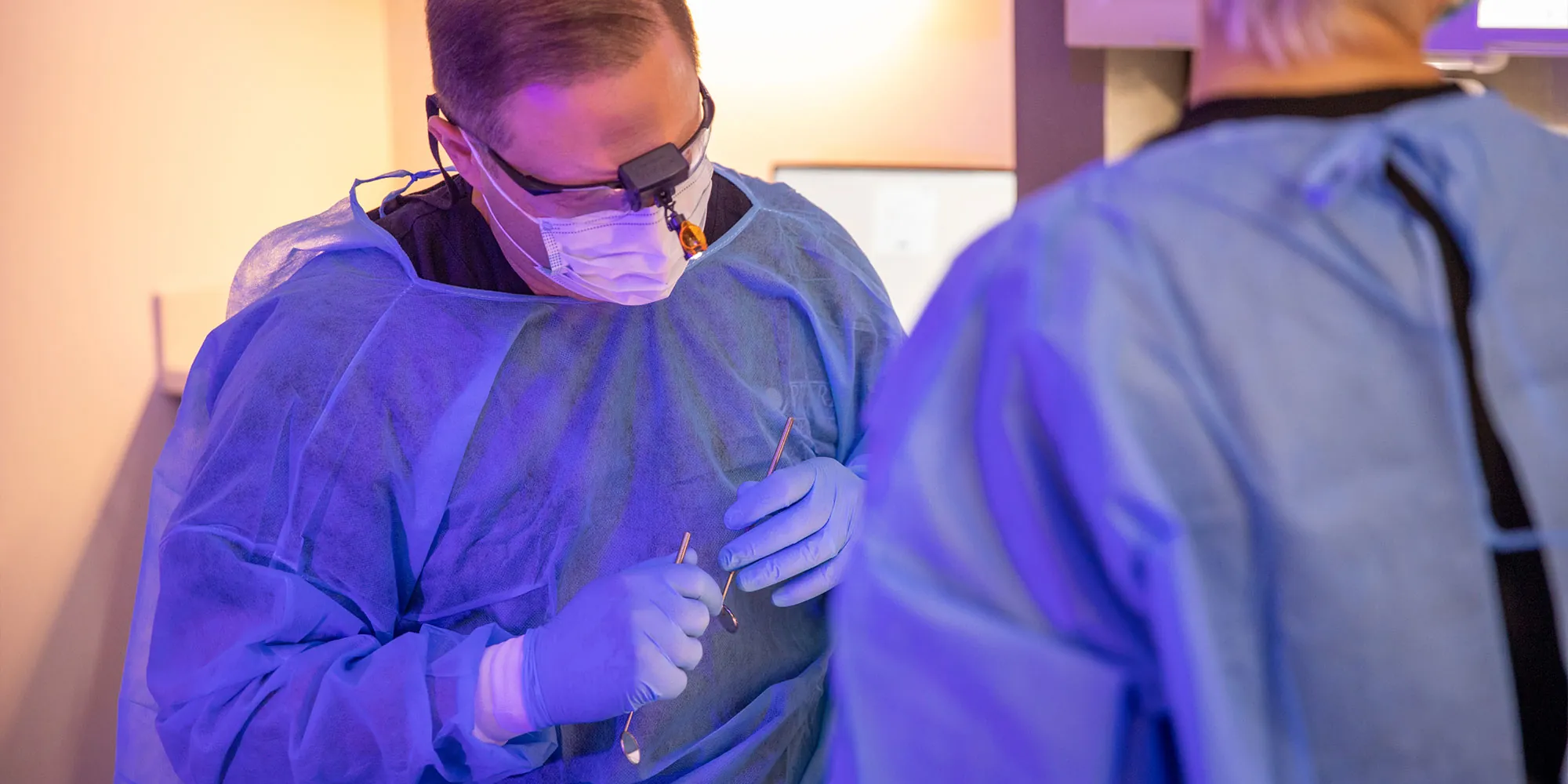
Before beginning, the dental team reviews the treatment plan and prepares the surgical area. Local anesthetic is used to numb the treatment site.
If you’ve chosen sedation, you’ll receive specific instructions beforehand regarding eating, drinking, medications, transportation, and what to expect afterward.
Following these instructions carefully is important.
Are You Awake During Dental Implant Surgery?
You can be.
Many dental implants can be placed using local anesthesia alone. The treatment area is thoroughly numbed while the patient remains awake.
For patients who are anxious about dental treatment or are undergoing more extensive implant procedures, sedation dentistry may also be an option.
At Pearl Dental Group, sedation options are available depending on the patient’s needs, medical history, and planned procedure.
Sedation can be particularly helpful for patients who:
- Have significant dental anxiety
- Have difficulty becoming comfortable during treatment
- Have a strong gag reflex
- Need multiple procedures performed
- Are undergoing more extensive implant treatment
Your dentist will determine which options are appropriate after reviewing your health history and treatment needs.
Does Dental Implant Surgery Hurt?
This is one of the most common questions we hear.
During implant placement, local anesthesia is used to numb the surgical area. Patients may notice pressure, vibration, or movement during certain portions of the procedure, but the goal is to keep the area adequately anesthetized.
After the anesthetic wears off, some soreness and swelling are expected.
The amount of postoperative discomfort varies significantly depending on whether you’re having one straightforward implant placed or undergoing a more extensive procedure involving extractions, grafting, or multiple implants.
Your dental team will give you specific instructions for managing discomfort after surgery.
How Is a Dental Implant Actually Placed?
Once the area is numb and prepared, the dentist creates access to the jawbone at the planned implant location.
The implant site is carefully prepared, and the dental implant is placed into the bone according to the treatment plan.
The implant itself acts as an artificial tooth root and provides the foundation for the future replacement tooth.
Depending on the situation, the surgical area may then be closed around the implant, or a healing component may remain accessible above the gum tissue.
The exact technique varies depending on the implant location and treatment plan.
What If I Need a Tooth Extracted?
Many patients need an implant because a tooth is broken, infected, severely decayed, or otherwise cannot predictably be restored.
In some situations, the tooth can be removed and the dental implant placed during the same appointment.
This is known as immediate implant placement.
However, immediate placement isn’t appropriate for every extraction site. The amount and condition of the remaining bone, infection, implant stability, and other clinical factors need to be considered.
In other cases, the extraction site may need time to heal before an implant is placed.
Will I Need a Bone Graft?
Not every dental implant patient requires bone grafting.
However, adequate bone is important for implant placement. Bone loss can occur after a tooth has been missing for a long time or as a result of periodontal disease, infection, trauma, or other factors.
If additional bone is needed, your dentist may recommend a bone graft before or at the time of implant placement.
Your CBCT scan can help your implant dentist evaluate the available bone and determine whether grafting may be necessary.
How Long Does Dental Implant Surgery Take?
There isn’t a universal answer.
A straightforward single implant is very different from treatment involving several extractions, bone grafting, multiple implants, or a complete arch.
The length of your appointment depends on the number of implants and the complexity of the treatment being performed.
Before surgery, your dental team should give you an idea of how much time has been reserved for your procedure.
Will I Leave With a Tooth?
Sometimes.
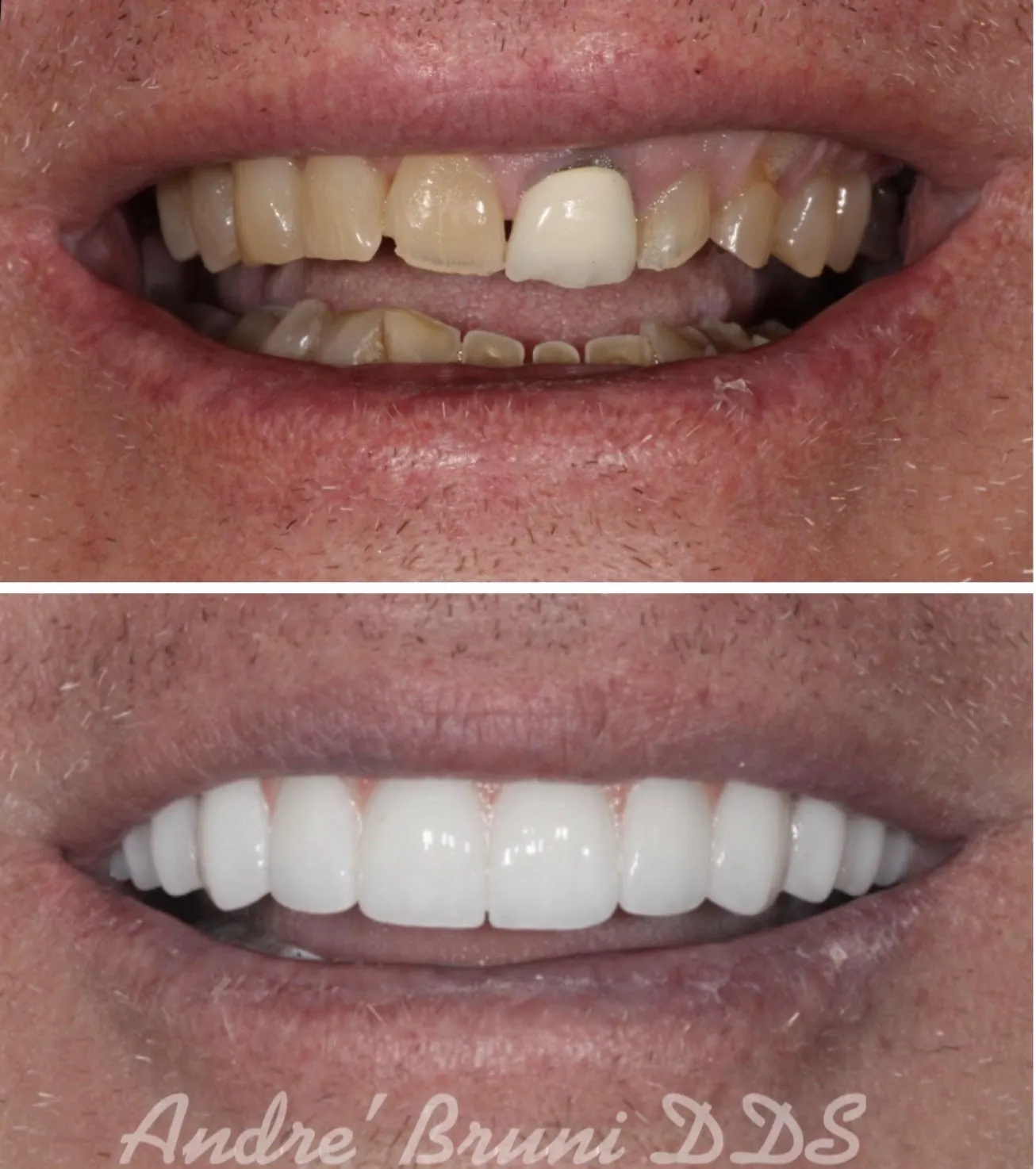
For certain cases, a temporary tooth or temporary restoration can be placed on or around the implant on the day of surgery.
This is called immediate provisionalization or, in some situations, immediate loading.
However, receiving a temporary tooth immediately doesn’t mean the implant has finished healing.
The implant still needs time for the bone to heal around it through a process called osseointegration.
Immediate temporary teeth aren’t appropriate for every patient. Implant stability, bone quality, bite forces, implant location, and the overall treatment plan all need to be considered.
What Happens During Full-Mouth Implant Surgery?
Full-mouth dental implant treatment is more involved than replacing a single tooth.
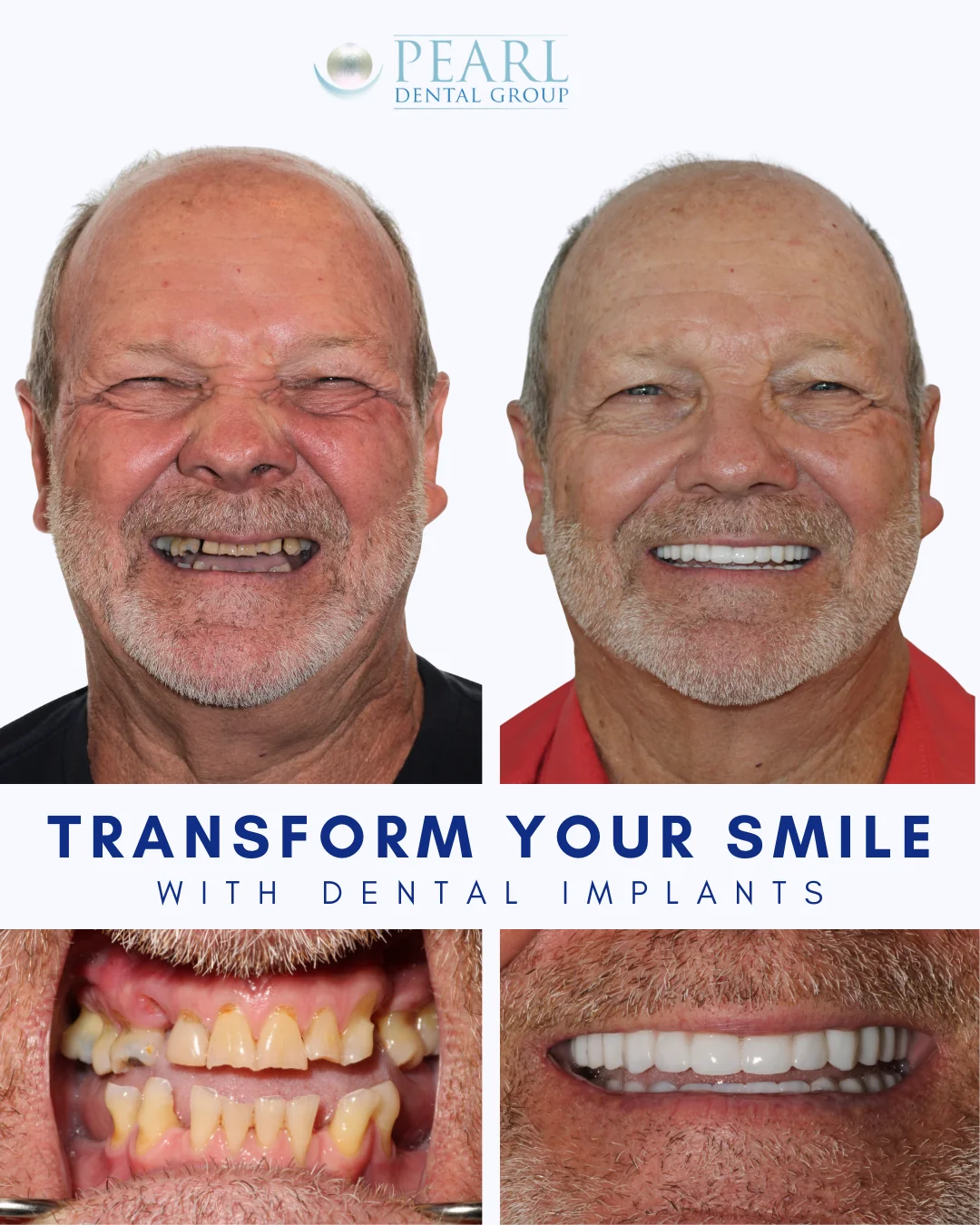
Depending on the patient’s condition, treatment may include removing failing teeth, preparing the jawbone, placing multiple implants, and attaching a temporary fixed restoration.
You may hear this type of treatment described as All-on-4 dental implants, All-on-X, or full-arch dental implants.
For many appropriate cases, patients can receive fixed temporary teeth the same day as surgery. However, the implants underneath still require time to heal and integrate with the bone.
Patients must carefully follow dietary and hygiene instructions during this period to protect the healing implants.
What Happens Immediately After Implant Surgery?
Once the procedure is finished, you’ll receive instructions explaining how to care for the surgical area.
Depending on your procedure, postoperative instructions may address:
- Bleeding
- Swelling
- Medications
- Oral hygiene
- Diet
- Physical activity
- Temporary restorations
- Follow-up appointments
Some bleeding or oozing, tenderness, swelling, and bruising can occur after implant surgery.
The amount varies depending on the extent of treatment.
Can I Drive Home After Implant Surgery?
That depends on whether sedation was used.
Patients receiving certain types of dental sedation should not drive themselves home and will need a responsible adult to provide transportation.
There may also be restrictions on driving, working, operating equipment, or making important decisions for a period following sedation.
Always follow the instructions provided by your dental team.
What Can I Eat After Dental Implant Surgery?
Your diet after surgery depends on the procedure.
During the early recovery period, softer foods are often easier and more comfortable.
Options may include:
- Eggs
- Yogurt
- Smoothies
- Mashed potatoes
- Applesauce
- Soft pasta
- Soft fish
- Other foods that require minimal chewing
Patients undergoing full-arch implant treatment may have dietary restrictions for a longer period while the implants integrate with the bone.
Even if temporary teeth feel strong, the implants underneath may still be healing.
How Long Does a Dental Implant Take to Heal?
You may feel much better within days of surgery, but that doesn’t mean the implant has completely healed.
The longer healing process involves osseointegration, during which the bone develops a stable connection with the implant.
This process generally takes several months, although healing time varies among patients and treatment situations.
Once appropriate healing has occurred, the implant can support the planned final restoration.
Preparing for Dental Implant Surgery
If you’re scheduled for implant surgery, follow the instructions given specifically to you by your dentist.
Depending on your procedure, preparation may include:
- Reviewing your medications
- Following instructions regarding food and drink
- Arranging transportation if sedation is planned
- Planning appropriate time away from work
- Having softer foods available at home
- Filling prescribed medications when instructed
- Asking questions before the day of surgery
Don’t change prescription medications unless instructed by the appropriate healthcare professional.
Choosing an Implant Dentist in Baton Rouge
Dental implant treatment involves more than simply placing a titanium implant.
Planning the position of the implant, evaluating available bone, understanding the final restoration, managing the bite, and maintaining the implant afterward are all important parts of treatment.
When choosing an implant provider, consider asking about:
- Experience with dental implants
- 3D imaging and treatment planning
- Sedation options
- Bone grafting
- Full-arch implant experience
- Restorative options
- Materials used
- Long-term maintenance
- What is included in your treatment plan
You should feel comfortable understanding both the surgical and restorative portions of your treatment before proceeding.
Patients interested in receiving treatment at our Perkins Road dental office in Baton Rouge can also learn more about our doctors, location, and available implant services.
Considering Dental Implant Surgery in Baton Rouge?
Dental implant surgery may sound intimidating, but knowing what will happen can eliminate much of the uncertainty.
At Pearl Dental Group in Baton Rouge, dental implants are a major focus of our practice. Our team provides treatment ranging from replacement of a single missing tooth to complex full-arch cases. We use advanced digital technology, 3D CBCT imaging, and comprehensive treatment planning to develop an individualized approach for each patient.
If you’re missing one tooth, several teeth, or struggling with failing teeth or dentures, the first step is determining which implant options are appropriate for you.
Schedule a dental implant consultation with Pearl Dental Group to learn what you can expect before, during, and after dental implant surgery.
This article is intended for general educational purposes and does not replace individualized dental or medical advice. Surgical procedures, sedation options, recovery, and treatment recommendations vary by patient.