






Dental implants are a well-established option for replacing missing teeth, but like any surgical and restorative treatment, they are not completely free of risks or complications.
Most patients considering dental implants in Baton Rouge want to know about the benefits. But understanding potential problems is just as important.
Implant complications can occur during healing, years after treatment, or with the restoration attached to the implant. Some problems are relatively minor and can be corrected. Others can threaten the implant and require more extensive treatment.
At Pearl Dental Group in Baton Rouge, we believe patients should understand both the benefits and limitations of implant dentistry before beginning treatment.
What Is a Dental Implant Complication?
A dental implant complication is any problem involving the implant, surrounding bone or gum tissue, or the tooth or prosthesis attached to the implant.
Complications generally fall into several categories:
- Surgical complications
- Healing complications
- Biological complications involving the gums or bone
- Mechanical complications
- Cosmetic complications
- Problems with the implant restoration
Importantly, a problem with an implant-supported crown or bridge does not necessarily mean the implant itself has failed.
Understanding which component is causing the problem is the first step toward determining the appropriate treatment.
Can a Dental Implant Fail to Integrate?
Yes.
After an implant is placed, the surrounding bone needs to heal around the implant surface through a process known as osseointegration.
Occasionally, an implant does not develop or maintain adequate integration with the surrounding bone.
Factors that may contribute can include:
- Poor bone quality
- Infection
- Excessive movement during healing
- Smoking or nicotine use
- Certain medical conditions
- Excessive bite forces
- Surgical or anatomical factors
Sometimes an implant can fail to integrate even when treatment appears to have been appropriately planned and performed.
If this occurs, the implant may need to be removed.
Depending on the situation, the area may be allowed to heal, bone grafting may be performed, and another implant may sometimes be considered later.
How Do You Know If a Dental Implant Is Failing?
A properly integrated dental implant should not feel loose.
Potential warning signs can include:
- Implant movement
- Persistent pain
- Increasing swelling
- Drainage
- Bleeding around the implant
- Gum inflammation
- Difficulty chewing
- Changes in the bite
- Bone loss detected on dental imaging
- A restoration that suddenly feels different
However, some implant problems produce few noticeable symptoms early on.
That’s one reason routine professional examinations and appropriate dental imaging remain important even when implants feel completely normal.
Is Pain Normal After Dental Implant Surgery?
Some soreness, swelling, and tenderness are expected following many implant procedures.
The amount varies depending on the procedure.
A patient receiving one straightforward implant may have a different experience from someone undergoing multiple extractions, grafting, and full-mouth dental implant treatment.
What matters is how symptoms progress.
Pain that gradually improves during normal healing is different from pain that becomes significantly worse after initially improving.
Contact your dental office if you experience unexpected or worsening symptoms following surgery.
Can Dental Implants Become Infected?
Infection can occur around dental implants.
An early postoperative infection may occur around the surgical site during healing.
Problems can also develop much later around an implant that has been functioning for years.
Inflammation involving the tissues around dental implants can range from soft-tissue inflammation to more significant disease involving supporting bone.
Good oral hygiene and professional maintenance are important parts of reducing these risks.
What Is Peri-Implant Mucositis?
Peri-implant mucositis is inflammation involving the soft tissues surrounding an implant without the progressive supporting bone loss characteristic of peri-implantitis.
Possible signs include:
- Redness
- Swelling
- Bleeding during cleaning or examination
- Tenderness
Early identification is important because inflammation around implants should not simply be ignored.
Professional treatment and improved plaque control may help manage the condition before more extensive problems develop.
What Is Peri-Implantitis?
Peri-implantitis is an inflammatory condition affecting the tissues around a dental implant and is associated with progressive loss of supporting bone.
It is one of the more significant long-term biological complications associated with implant dentistry.
Possible signs can include:
- Bleeding
- Swelling
- Drainage
- Deepening pockets around the implant
- Progressive bone loss
- Gum recession
- Implant exposure
- Eventually, implant mobility in advanced cases
Treatment depends on the severity of the condition and may involve professional cleaning, changes in home care, surgical treatment, or other procedures.
Advanced cases can sometimes result in loss of the implant.
Can Poor Oral Hygiene Cause Implant Problems?
Yes.
Dental implants cannot develop cavities like natural teeth, but that does not mean they don’t need to be cleaned.
Plaque and bacteria can accumulate around implants and implant restorations.
Maintaining healthy tissues around an implant requires consistent home care and professional maintenance.
This becomes particularly important for patients with fixed full-arch restorations because plaque and food can accumulate underneath the prosthesis.
Implant maintenance isn’t simply brushing the visible teeth.
Patients need to understand how to properly clean the entire restoration and the tissues around the implants.
Can Smoking Affect Dental Implants?
Smoking and nicotine use can negatively affect wound healing and are associated with increased risks involving dental implant treatment.
Patients should disclose all tobacco and nicotine use during their implant evaluation.
Smoking doesn’t automatically mean that implant treatment is impossible, but it can influence treatment planning and risk.
Your dentist may recommend stopping or reducing nicotine use before and after implant treatment.
Can a Dental Implant Break?
The titanium implant itself is designed to withstand substantial forces, but mechanical complications can occur.
These may involve:
- Implant fracture
- Abutment fracture
- Screw loosening
- Screw fracture
- Crown fracture
- Chipping of restorative material
- Fracture of a full-arch prosthesis
The implant is only one component of an implant restoration.
A patient may say, “My implant broke,” when the actual problem is a loose screw or damaged crown rather than the implant fixture itself.
Determining exactly what has failed is important before deciding on treatment.
Why Does an Implant Crown Become Loose?
An implant crown can sometimes feel loose even when the implant itself remains firmly integrated with the bone.
Possible causes include a loose prosthetic screw, cement-related issues with certain restorations, damage to restorative components, or excessive bite forces.
This should be evaluated promptly.
Continuing to chew on a loose implant restoration can potentially damage components and make a relatively manageable problem more complicated.
Can Dental Implants Chip or Break?
Yes.
The teeth attached to dental implants are restorations, and restorative materials can wear, chip, or fracture.
This can occur with a single implant crown or a larger full-arch prosthesis.
Risk can be influenced by factors such as:
- Bite forces
- Teeth grinding
- Clenching
- Restoration design
- Material
- Opposing teeth
- Accidental trauma
A chipped prosthetic tooth does not automatically mean the underlying implant has failed.
Can Teeth Grinding Damage Dental Implants?
Heavy clenching and grinding can place substantial forces on natural teeth, restorations, and dental implants.
Patients with significant bruxism may require special consideration during treatment planning.
Depending on the case, implant number, implant position, restorative design, bite adjustment, material selection, and protective appliances may all need to be considered.
Tell your dentist if you know or suspect that you grind your teeth.
Can Food Get Under Full-Mouth Dental Implants?
Yes.
This is an important issue for patients considering fixed All-on-4 or All-on-X dental implants.
A fixed full-arch restoration does not attach to the gums exactly like natural teeth.
There is a transition between the prosthesis and the patient’s tissues, and food or plaque can accumulate in this area.
Proper restoration design and good hygiene are important.
Patients may need specialized cleaning aids such as:
- Water flossers
- Interdental brushes
- Specialized floss
- Floss threaders
- Other tools recommended by the dental team
Fixed implant teeth should not be marketed as something patients can simply forget about after treatment.
They require lifelong maintenance.
Can Gums Recede Around Dental Implants?
Yes.
Changes in the gum tissue can occur around dental implants.
Gum recession can sometimes expose implant components or create cosmetic concerns, particularly around front teeth.
Factors can include tissue thickness, implant position, bone anatomy, inflammation, oral hygiene, and other biological factors.
Careful planning is especially important when replacing teeth in highly visible areas.
Can Dental Implants Cause Nerve Problems?
Implant surgery is performed near important anatomical structures.
In certain areas of the lower jaw, nerves provide sensation to the lip, chin, and surrounding tissues.
Nerve injury is an uncommon but potentially significant complication of implant surgery.
Symptoms can include altered sensation, tingling, numbness, or other sensory changes.
This is one reason we use 3D CBCT imaging and digital treatment planning when evaluating implant cases at Pearl Dental Group.
Three-dimensional imaging allows the dentist to evaluate available bone and important surrounding anatomy before surgery.
Persistent or unexpected numbness following implant surgery should be reported promptly to the treating dentist.
Can Dental Implants Affect the Sinus?
Upper back teeth can be located near the maxillary sinus.
When implants are planned in this area, the amount of available bone and the position of the sinus need to be evaluated.
Some patients may require additional procedures, such as sinus augmentation, before or during implant placement.
Three-dimensional imaging can be particularly useful when planning implants in these areas.
What Happens If an Implant Is Placed in the Wrong Position?
Implant position is extremely important.
The implant needs to be placed not simply where bone exists, but in a position that supports the planned final restoration.
Poor implant positioning can potentially create problems with:
- Appearance
- Bite
- Cleaning
- Gum contours
- Restoration design
- Long-term maintenance
This is why modern implant planning should consider the final tooth position before the implant is placed.
Implant dentistry is both surgical and restorative dentistry.
Can Dental Implants Fail Years Later?
Yes.
An implant that initially integrates successfully can develop problems years later.
Possible causes include:
- Peri-implant disease
- Progressive bone loss
- Mechanical complications
- Excessive bite forces
- Changes in medical health
- Smoking
- Poor oral hygiene
- Problems involving the restoration
Implant treatment should therefore be considered a long-term commitment rather than a one-time procedure.
Regular professional evaluation remains important.
Are Full-Mouth Implant Complications Different?
They can be.
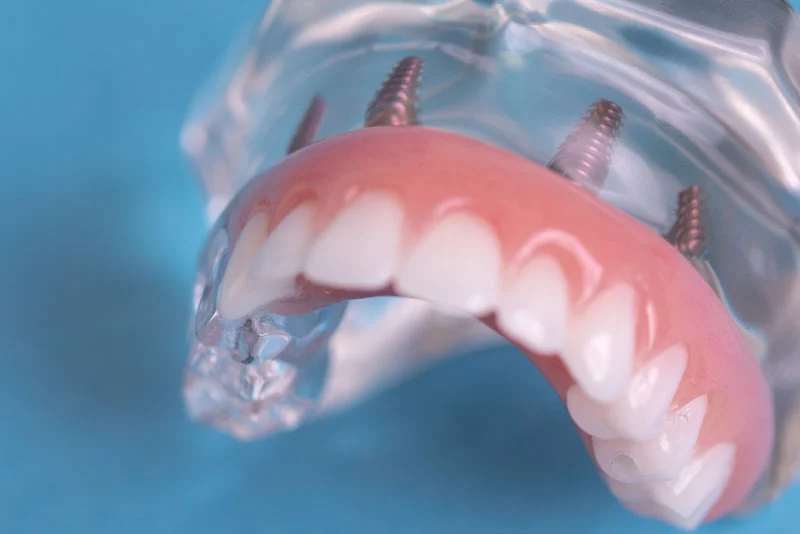
With full-arch treatment, multiple implants work together to support a larger prosthesis.
Potential issues can involve either the implants or the restoration.
These may include:
- Loose prosthetic screws
- Chipped or fractured teeth
- Prosthesis fracture
- Hygiene difficulties
- Food accumulation
- Gum inflammation
- Bone loss around individual implants
- Changes in bite
- Wear of restorative materials
One implant developing a problem doesn’t necessarily mean the entire restoration has failed.
However, full-arch complications can sometimes be more complex because all components function as a system.
Can Dental Implant Complications Be Treated?
Many can.
Treatment depends on the specific problem.
A loose screw may require a very different solution from peri-implantitis or a non-integrated implant.
Treatment may include:
- Cleaning and maintenance
- Bite adjustment
- Tightening or replacing components
- Repairing or replacing a restoration
- Managing inflammation
- Surgical treatment
- Bone grafting
- Removing an implant
- Replacing an implant when appropriate
The earlier a problem is identified, the more treatment options may be available.
How Can You Reduce the Risk of Implant Complications?
No implant provider can eliminate every possible complication.
However, careful treatment planning and appropriate long-term care are important.
Patients can help protect their implants by:
- Maintaining excellent oral hygiene
- Attending recommended professional maintenance visits
- Avoiding smoking and nicotine when possible
- Following postoperative instructions
- Following dietary restrictions while implants heal
- Reporting looseness or changes promptly
- Managing clenching or grinding when appropriate
- Maintaining overall health
- Cleaning underneath full-arch restorations properly
- Having implants professionally evaluated over time
Why Implant Planning Matters
Preventing complications begins before surgery.
At Pearl Dental Group in Baton Rouge, implant planning includes evaluating the patient’s teeth, gums, bone, bite, medical history, medications, anatomy, and final restorative needs.
We use 3D CBCT imaging and digital treatment planning to help evaluate implant cases.
The goal isn’t simply to determine whether an implant can fit into the available bone.
We want to understand how that implant will support the final tooth or prosthesis, how the restoration will function, and how the patient will maintain it.
What Should You Do If You Think You Have an Implant Problem?
Don’t ignore it.
If your implant crown feels loose, your gums are bleeding or swollen, you notice drainage, your bite has changed, or something simply doesn’t feel right, have it evaluated.
A loose crown may be a relatively straightforward restorative problem.
Persistent inflammation or bone loss may require more extensive treatment.
The only way to know is to identify the cause.
Experiencing a Dental Implant Problem in Baton Rouge?
Dental implants can provide excellent tooth replacement, but they’re not immune to biological or mechanical complications.
Understanding those risks is part of making an informed treatment decision.
At Pearl Dental Group in Baton Rouge, we evaluate both new implant patients and patients who have concerns involving existing dental implants and implant restorations.
Whether you’re considering your first implant, have a single implant that doesn’t feel right, or are concerned about a full-arch restoration, a comprehensive evaluation can help determine what’s happening and what treatment options may be available.
Schedule a dental implant consultation with Pearl Dental Group to have your implant concerns evaluated.
This article provides general educational information and is not a substitute for individualized dental or medical advice. Dental implant complications, risks, treatment, and prognosis vary by patient and clinical situation.