







Am I a Candidate for Dental Implants in Metairie, LA?
If you have missing, failing, broken, or severely damaged teeth, you may be wondering whether dental implants are an option for you. The good news is that many adults can be candidates for dental implants, including some patients who have previously been told they do not have enough bone.
At Pearl Dental Group in Metairie, implant candidacy is determined by looking at much more than whether a tooth is missing. Your bone structure, gum health, medical history, medications, bite, smoking history, and the type of restoration you need all play a role in developing the right treatment plan.
The American Academy of Periodontology identifies good general health, adequate supporting bone, and healthy gum tissues as important considerations for implant treatment. (American Academy of Periodontology)
American Academy of Periodontology – Dental Implant Procedures
Who Is a Good Candidate for Dental Implants?
You may be a candidate for dental implants if you have:
- One or more missing teeth
- A tooth that cannot predictably be restored
- Multiple broken or failing teeth
- Difficulty chewing because of missing teeth
- A dental bridge you would like to replace
- Loose or uncomfortable dentures
- Most or all of your teeth failing
- Enough healthy bone for implant placement or an anatomy that can be treated with additional implant techniques
There isn’t one definition of an ideal implant patient. Someone replacing a single missing molar has very different needs from someone considering a complete fixed upper and lower restoration.
That’s why the first step is determining what type of implant treatment is appropriate for your particular situation.
Patients replacing one or several teeth can learn more about dental implants in Metairie.
Can I Get Dental Implants If I Have Gum Disease?
Possibly, but active periodontal disease needs to be carefully evaluated and managed.
Many patients seeking extensive implant treatment arrive with periodontal disease because gum disease may be one of the reasons their teeth are failing in the first place. Having a history of periodontal disease does not automatically mean that dental implants aren’t an option.
However, controlling infection and establishing a maintainable oral environment are important because inflammation can also develop around dental implants. The American Academy of Periodontology notes that a history of periodontal disease, poor plaque control, smoking, and diabetes are among the risk factors associated with peri-implant disease. (American Academy of Periodontology)
American Academy of Periodontology – Peri-Implant Diseases
What If I Have Bone Loss?
This is one of the biggest misconceptions about dental implant candidacy.
Being told that you have bone loss does not necessarily mean you cannot have dental implants.
The amount and location of the remaining bone are important. Depending on your individual anatomy and the type of restoration being planned, treatment could involve bone grafting, modifying implant position or size, or considering advanced implant techniques.
Pearl Dental Group uses 3D CBCT imaging to evaluate the height, width, and anatomy of the available jawbone before developing an implant treatment plan. Our Metairie implant page also explains how bone grafting may be used when additional bone is necessary for implant placement. (Pearl Dental Group)
For patients with extensive tooth loss and more significant bone loss, treatment possibilities can be very different from those used for a single implant.
Can I Get Dental Implants With Severe Bone Loss?
Some patients with advanced bone loss who aren’t candidates for conventional implant placement may still have options.
Dr. André Bruni has pursued advanced training in pterygoid and zygomatic implant techniques, which may provide alternatives for certain patients with severe bone loss. These cases require detailed 3D evaluation and individualized treatment planning. (Pearl Dental Group)
This is particularly relevant for patients who have worn dentures for many years or have previously been told they would require extensive grafting before receiving fixed teeth.
You can learn more about Dr. André Bruni’s implant training and experience.
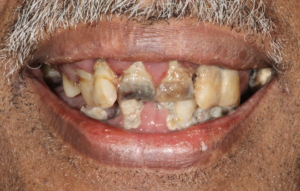
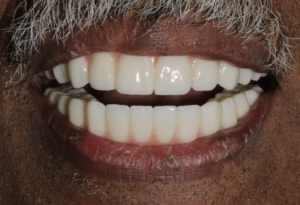
Am I a Candidate If Most of My Teeth Are Failing?
Potentially, yes.
If many of your teeth are severely decayed, loose, broken, or affected by advanced periodontal disease, restoring each tooth individually may not always be the most predictable treatment approach.
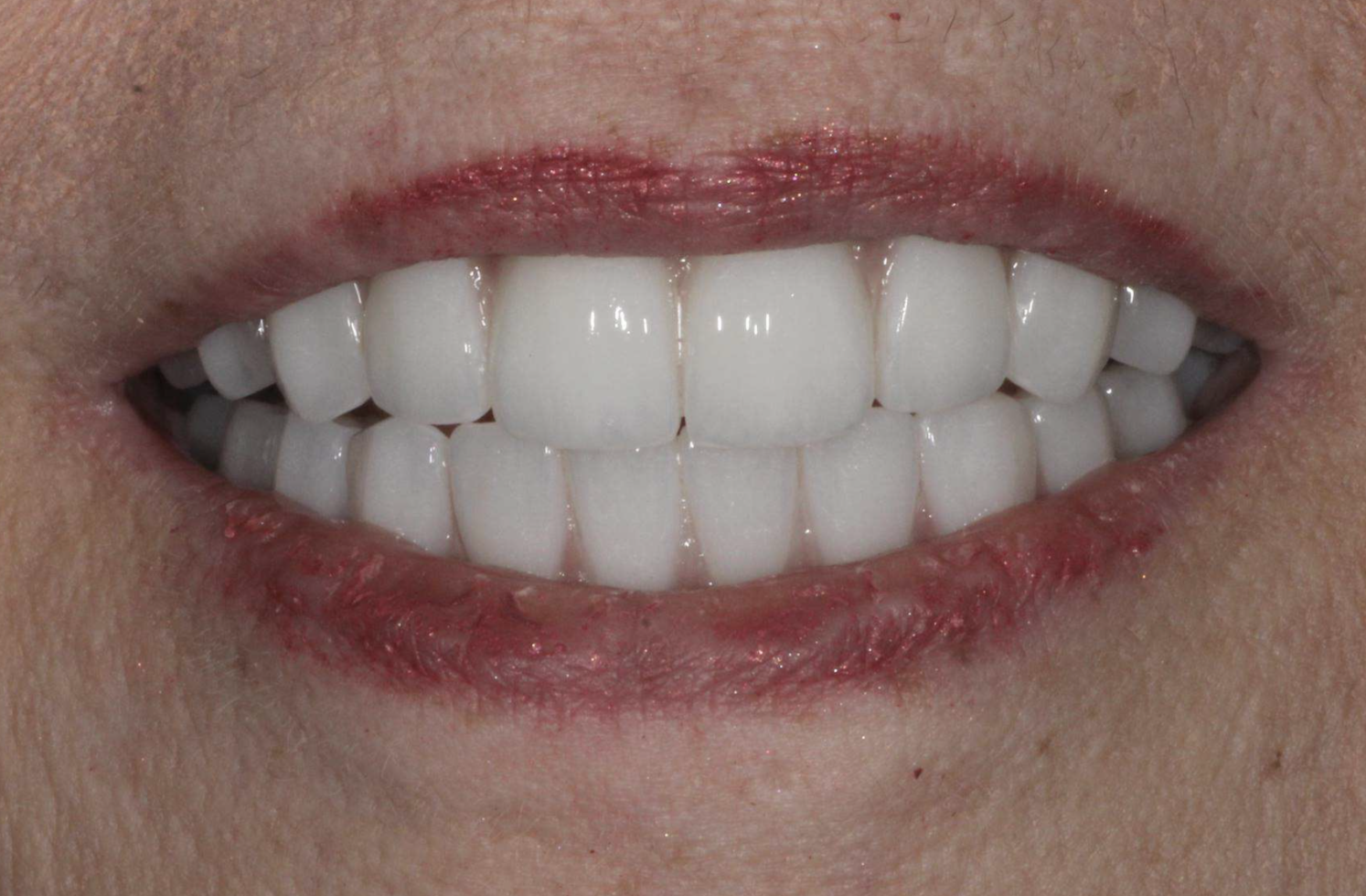
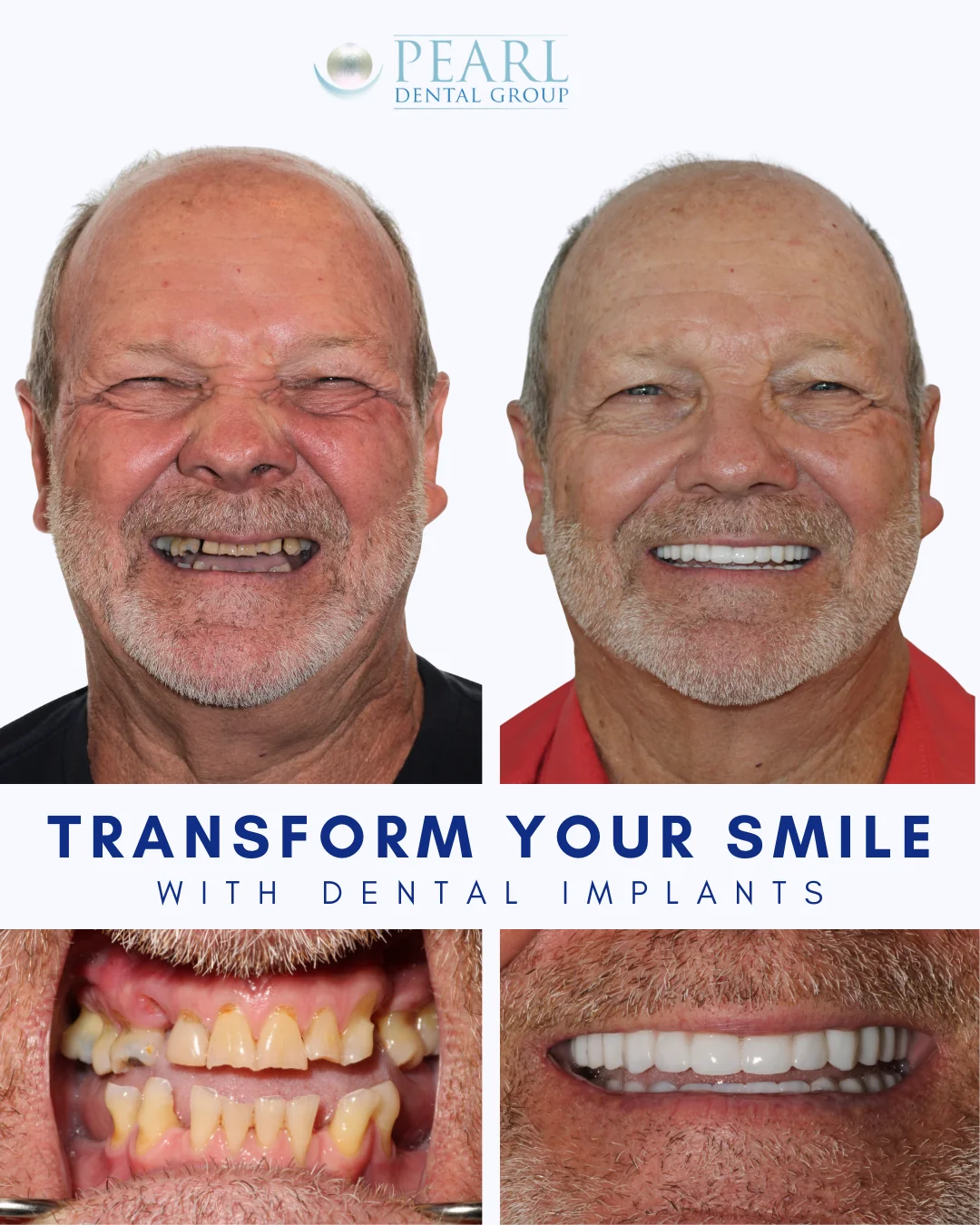
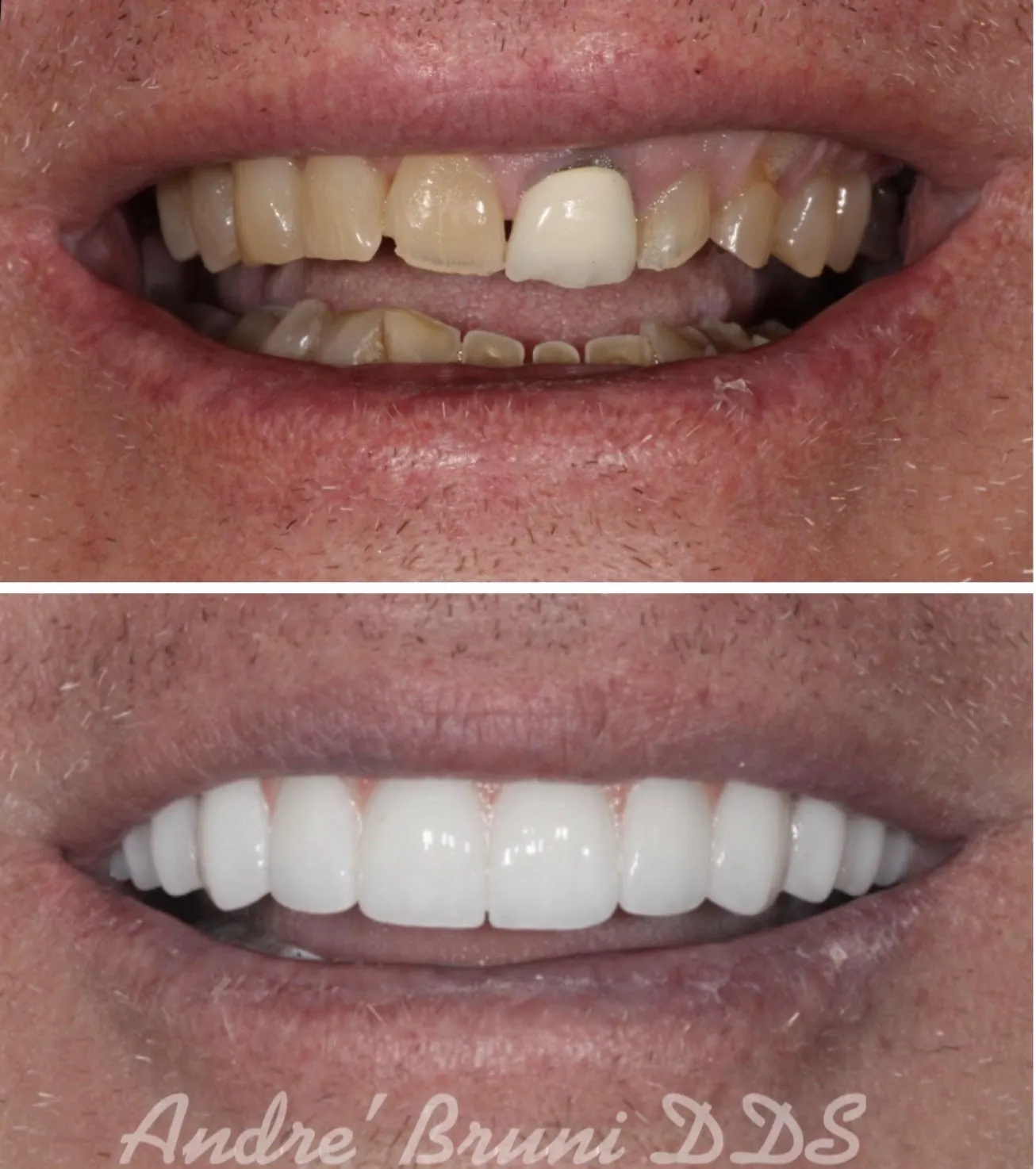
For appropriate patients, several strategically positioned implants can support a complete fixed arch of replacement teeth rather than placing an implant for every individual tooth.
These treatments are often referred to as full-arch implants, All-on-4, or All-on-X.
Patients dealing with extensive tooth loss can learn more about full mouth dental implants in Metairie.
Does Smoking Mean I Can’t Have Dental Implants?
Smoking does not automatically exclude every patient from implant treatment, but it is an important risk factor that should be discussed with your implant dentist.
Smoking is associated with increased risk for problems involving the tissues surrounding dental implants, and smoking status should be considered when assessing treatment and long-term maintenance. The American Academy of Periodontology lists smoking among the risk factors associated with peri-implant disease. (American Academy of Periodontology)
Reducing or stopping tobacco use may be recommended before and after implant surgery depending on your individual situation.
What About Diabetes or Other Medical Conditions?
Having a medical condition doesn’t necessarily mean you cannot receive dental implants.
What matters is the condition itself, how well it is controlled, medications you take, and how those factors may affect surgery, healing, or long-term implant health.
This is why your implant evaluation should include a thorough medical and medication history—not just an examination of your teeth.
Certain medical conditions, medications, previous radiation treatment, or other health factors may require additional precautions, consultation with your physician, or a modified treatment plan.
Am I Too Old for Dental Implants?
There isn’t a simple upper age limit for dental implant treatment.
Your overall health, ability to heal, oral condition, bone anatomy, medications, and ability to maintain the restoration are generally more meaningful considerations than your chronological age alone.
For an older patient struggling with loose dentures or missing teeth, improved stability and chewing function may be an important reason to consider implant treatment.
What If I’ve Been Wearing Dentures for Years?
Long-term denture wear does not automatically eliminate dental implants as an option.
However, patients who have been missing teeth for many years may have experienced changes in the shape and volume of their jawbone. That makes 3D evaluation especially important.
Depending on the amount and location of remaining bone, options may include conventional implants, grafting, or more advanced approaches for severe bone loss.
How Does Pearl Dental Group Determine If I’m a Candidate?
At Pearl Dental Group in Metairie, implant planning begins with a comprehensive evaluation rather than assuming every patient should receive the same procedure.
Our implant team can use:
- Comprehensive dental examination
- 3D CBCT imaging
- Digital intraoral scanning
- Review of your medical history and medications
- Evaluation of your teeth and periodontal condition
- Assessment of available bone
- Bite and restorative evaluation
- Digital treatment planning
The goal isn’t simply to determine whether an implant can be placed. The more important question is how to create a restoration that can function properly, look natural, and be maintained over the long term.
What Type of Dental Implant Treatment Might I Need?
Your treatment depends largely on how many teeth need to be replaced.
If you’re missing one tooth, a single implant and crown may be appropriate.
If you’re missing several teeth, individual implants or an implant-supported bridge may be considered.
If most or all of the teeth in an arch are failing, a full-arch implant restoration may be a better option.
Patients considering complete tooth replacement should also read about full mouth dental implants in Metairie.
The important point is that dental implant candidacy isn’t simply a yes-or-no question. Modern implant dentistry offers different approaches for different levels of tooth loss and bone availability.
Don’t Assume You’ve Been Ruled Out
If you’ve previously been told that you don’t have enough bone for dental implants, it may be worthwhile to have your situation evaluated using current 3D imaging and implant techniques.
Bone loss, periodontal disease, long-term denture wear, or extensive failing teeth can make treatment more complex, but these conditions do not automatically eliminate dental implants as an option.
A comprehensive evaluation is ultimately the only way to determine whether dental implants are appropriate for you and which approach provides the best balance of function, appearance, risk, and long-term maintainability.